Key takeaways
- Facebook and Instagram reach homeowners before they search; lead campaigns are billed on impressions, so your cost per lead depends on your creative, audience and form.
- Instant forms bring more leads with less effort; the 'Higher intent' form type adds a review screen, and a landing page brings fewer, more deliberate leads.
- Ads about home repairs can fall under Meta's Housing special ad category, which fixes age at 18–65+, requires at least a 15-mile radius and blocks ZIP targeting.
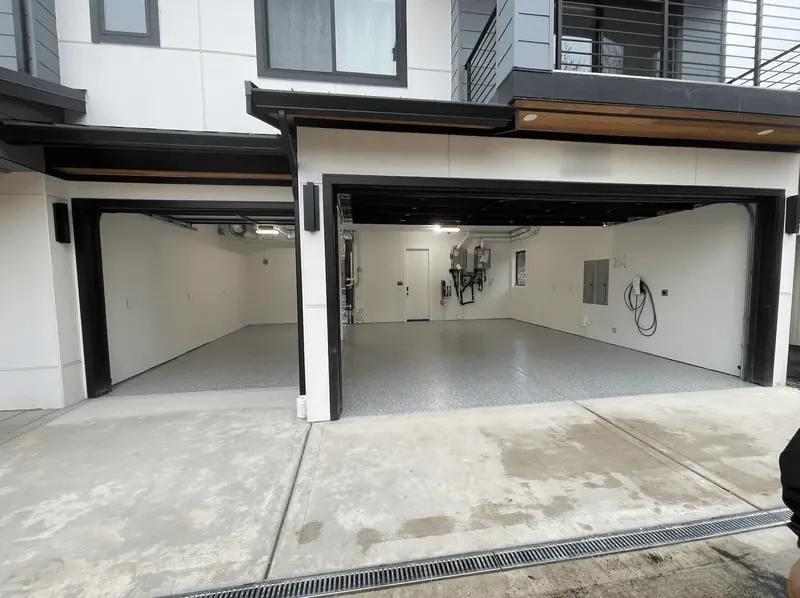
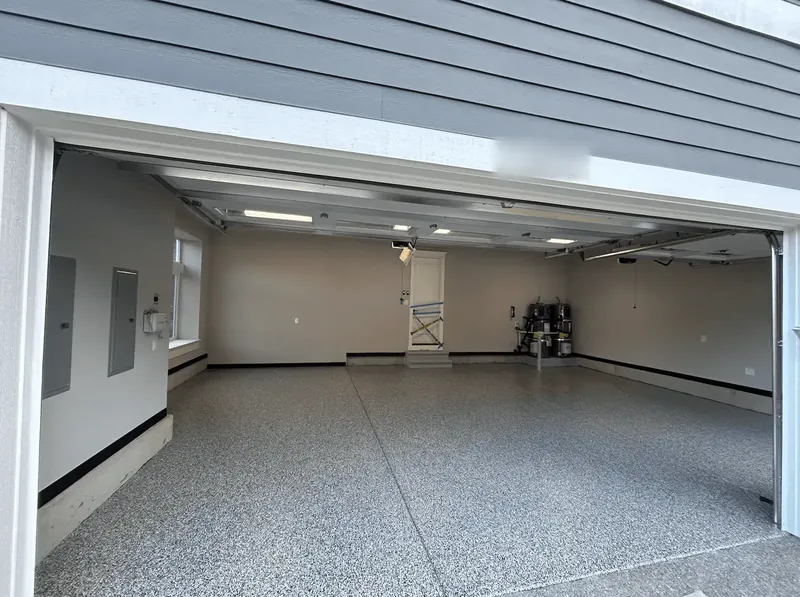
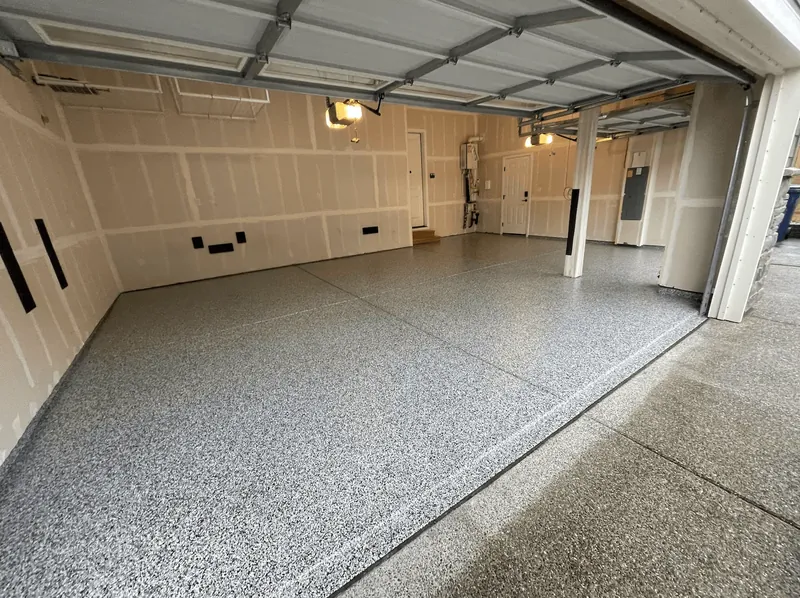
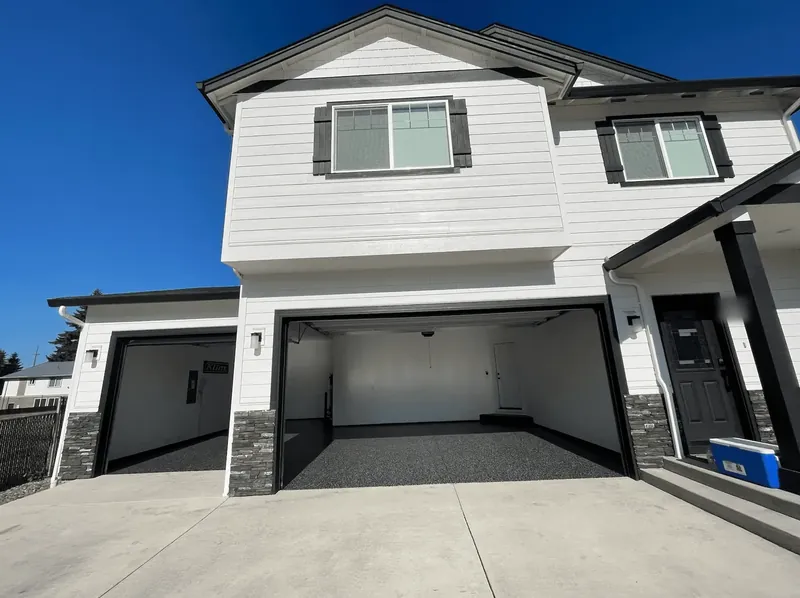
- Floors sell visually: before-and-after pairs from the same angle, short process clips and a slow walk across a finished floor.
- At an assumed $40 a lead and a 12% close rate, a booked job costs $333; at the same lead cost you'd need to close about 27% of leads to stay inside a $150 marketing allowance.
Facebook and Instagram ads reach homeowners before they search for a contractor, which suits a product people buy with their eyes. Lead campaigns on Meta are billed on impressions, not per lead, so what a lead costs depends on your creative, your audience and how easy your form is. Build ads from your own before-and-after photos and short process clips, ask a few qualifying questions in the form, call every lead within minutes, and judge the channel on what a booked job costs.
This article covers lead forms versus landing pages, Meta’s special ad category rules, creative that works for floors, audiences, lead quality, and the math. For search ads, see Google Ads for epoxy flooring.
How Meta charges
Campaigns optimized for lead generation are billed on impressions: you pay for your ad being shown, and Meta’s auction decides how often. Cost per lead is a result you calculate (spend ÷ leads), not a price you set. Two campaigns with the same budget can produce very different lead costs because of the photos, the offer and the form.
Instant forms or a landing page?
| Instant form (on Facebook or Instagram) | Landing page (your website) | |
|---|---|---|
| Effort for the customer | A few taps; contact details are prefilled | Leave the app, load a page, fill in a form |
| Lead volume | Usually higher | Usually lower |
| Lead intent | Earlier in the decision; some forget they filled it out | More deliberate |
| Filtering options | Custom questions; the “Higher intent” form adds a review screen before submitting | Your page explains price ranges, prep and the process before they ask |
| Requirements | A link to your privacy policy | A page that loads fast on a phone and tracks conversions |
Meta offers three form types: More volume (quick to fill out and submit), Higher intent (adds a review step so people confirm their information before sending it) and Rich creative (more room to explain your business). For coating leads, Higher intent plus two or three qualifying questions is a good trade: fewer accidental leads, better phone calls.
Good qualifying questions for a floor:
- Which space? (garage, basement, patio, commercial)
- About how big? (one-car, two-car, three-car, other)
- What’s on the floor now? (bare concrete, paint, an old coating, not sure)
- When do you want it done? (this month, next 3 months, just researching)
- Town or ZIP code
You need a privacy policy on your site before Meta will run a lead form; it should say what you collect and how you use it.
Special ad categories: when your ad counts as “housing”
Meta’s Housing special ad category covers ads for housing opportunities and related services, and its definition names housing repairs. Meta reviews ads automatically, and ads that fall under a special category without declaring it get rejected. If your ad is covered, declaring it changes what you can do:
| Setting | Under the Housing category |
|---|---|
| Age | Fixed at 18–65+ |
| Gender | All genders |
| Location | At least a 15-mile radius around any location |
| ZIP codes | Can’t target by ZIP or postal code |
| Detailed targeting | Some options unavailable; no exclusions |
| Lookalike and saved audiences | Unavailable |
Read the current definition in Ads Manager when you set up the campaign. In practice, the restrictions mean your creative and your form questions do the filtering that targeting can’t.
Creative that works for floors
People scroll past ads and stop for floors. Formats that show the work:
- Before and after, from the same corner and the same height: the stained, cracked slab, then the finished flake floor.
- Process clips, 15–30 seconds: grinding with the dust extractor running, filling a crack, the flake going down, the topcoat being rolled. They show the prep that separates you from a kit.
- The finished walkthrough: a slow walk across the floor, then the door going up with the car pulling in.
- Close-ups of the flake blend, a metallic swirl or a quartz texture, with the system named in the text.
- A seasonal hook: “booking spring garages now,” “basements for winter.”
Use your own job photos with the customer’s written permission, keep house numbers and license plates out of the frame, and shoot vertical as well as square so the same clip works in Reels and Stories. Never use stock photos of floors you didn’t install.
Audiences
- Location: your real service area; under the Housing category, a radius of at least 15 miles.
- Broad targeting: with fixed age and gender ranges, let the creative find interested homeowners rather than stacking interests.
- Retargeting: people who visited your website or engaged with your page, where your category allows it.
- Past customers: exclude recent customers from lead campaigns; invite them to review and refer instead (see Google Business Profile for epoxy contractors).
Lead quality and speed to lead
Form leads cool fast. In an analysis of 1.25 million web leads, firms that tried to reach a lead within an hour were nearly seven times as likely to qualify it as firms that waited even an hour longer. For a Facebook lead, aim for minutes:
- An automatic text or email the moment the form arrives: who you are, that you’ll call shortly.
- A call within minutes during business hours; first thing next morning otherwise.
- If no answer, a second call and a text the same day, then the follow-up cadence in the epoxy flooring sales process.
- Every outcome logged with the source “Facebook” or “Instagram,” so you can measure close rate by channel.
If you text leads, include a clear consent statement on the form and honor stop requests.
What a booked job costs
Use your own numbers; these are assumptions to show the math.
| Step | Example |
|---|---|
| Monthly spend | $1,000 |
| Leads from the form | 25 |
| Cost per lead | $1,000 ÷ 25 = $40.00 |
| Close rate | 12% (3 booked jobs) |
| Cost per booked job | $40 ÷ 0.12 = $333.33 |
Compare that with what your price allows. In the worked example in how to price epoxy flooring, each job carries $150 of marketing. At $40 a lead, you’d need to close $40 ÷ $150 = about 27% of leads to stay inside that allowance. At 12%, each job costs $183.33 more than planned; covering it at the same 20% margin adds $183.33 ÷ 0.80 = $229.17 to the price ($3,304.17 instead of $3,075). Either raise the close rate, lower the cost per lead with better creative and questions, or put the real marketing cost into the price list. The lead cost calculator compares Facebook with your other channels.
Mistakes that waste the budget
- Boosting a random post instead of running a lead or conversion campaign with tracking.
- An ad that promises a price you won’t honor once you see the slab; say “from” and explain what changes it.
- A form with no questions, then complaining about lead quality.
- Calling back the next day.
- Changing the ad every few days, before it has enough results to judge.
- Counting leads instead of booked jobs.
A 30-day test
| Days | Do this |
|---|---|
| 1–3 | Write the privacy policy, build a Higher intent form with 3–4 questions, set up instant lead notifications |
| 4–7 | Launch two ads: one before-and-after photo pair, one 20-second process clip; one audience; a budget you can afford to lose |
| 8–21 | Call every lead within minutes; log source, outcome and job value; pause the weaker ad |
| 22–30 | Calculate cost per lead and cost per booked job; keep it only if it fits your prices or can be improved |
Your best ad is your best floor. The Epoxy Playbook is recorded installation training, full jobs on video you can replay, plus the business side, including how to photograph jobs and follow up leads. For the rest of the channel mix, see epoxy flooring marketing and epoxy flooring leads.
Questions
Do Facebook ads work for epoxy flooring?
They can, because floors are visual and garage owners don't always search before they buy. Form leads are earlier in the decision than search leads, so expect a lower close rate, call back within minutes, and judge the channel on cost per booked job.
Should I use Facebook lead forms or send people to my website?
Lead forms are faster for the customer and usually bring more leads; a landing page asks more of them and usually brings fewer, more deliberate ones. Start with a form, add qualifying questions and the 'Higher intent' review step, then compare cost per booked job against a landing-page campaign.
Is an epoxy flooring ad a 'housing' ad on Meta?
It can be. Meta's Housing special ad category covers housing repairs, and Meta reviews ads automatically. If your ad falls under it, declare the category: age is fixed at 18–65+, all genders, a radius of at least 15 miles, no ZIP code targeting, no detailed-targeting exclusions and no lookalike or saved audiences. Check the current definition in Ads Manager.
How fast should I call a Facebook lead?
Within minutes. Leads contacted within an hour are nearly seven times as likely to be qualified as leads contacted even an hour later, and form leads forget quickly that they filled out a form.
Keep reading
Google Ads for epoxy flooring: search ads, Local Services Ads and what a booked job costs
How epoxy flooring contractors use Google Ads: search vs Local Services Ads, keywords and negatives, budgets as a method, landing pages and call tracking.
Epoxy flooring leads: the math of buying them, channel by channel
What epoxy flooring leads cost, how Local Services Ads, Angi, Thumbtack and Meta charge, shared vs exclusive leads, speed to lead, and cost per booked job.
Epoxy flooring marketing: where coating jobs come from, and what each channel costs
Where epoxy flooring leads come from, from Google Business Profile and reviews to Local Services Ads, Meta and Angi, with lead costs and a 90-day plan.