Key takeaways
- A Tennessee contractor license, under BC-4 Floor Covering, BC-11 Painting or BC-14 Special Coatings, is required for coating projects of $25,000 or more.
- In Davidson, Shelby, Knox, Hamilton, Rutherford and four other counties, residential jobs from $3,000 to $24,999 need a home improvement license.
- Construction businesses need workers' comp from the first employee, and owners must cover themselves or register an exemption unless they are a sole proprietor or partnership working alone, directly for the property owner.
- A Tennessee LLC costs at least $300 to form and owes franchise and excise tax, even with a single member.
- Memphis averages about 72 days a year at 90°F or hotter and 44 at or below freezing, so plan for hot slabs in summer and cold ones in winter.
Tennessee has two licensing lines, a strict workers’ comp rule for construction and an LLC tax that most states don’t charge. Get those three right and the rest is straightforward: Nashville and the counties around it are growing, Memphis, Knoxville and Chattanooga anchor the rest of the state, and there’s a supplier class in Nashville.
Do you need a license for epoxy floors in Tennessee?
It depends on the size of the job and the county it’s in. The Board for Licensing Contractors runs two licenses that reach coating work.
The contractor license, from $25,000. You need it before you bid, offer or negotiate a price on a project of $25,000 or more as the prime contractor. Coatings fall under three building construction subcategories: BC-4 Floor Covering, BC-11 Painting and Interior Decorating, and BC-14 Special Coatings and Waterproofing. Those subcategories take the Business and Law exam and documented experience, with no trade exam. The application also asks for:
- a reviewed or audited financial statement prepared by a CPA, less than 12 months old;
- a letter of reference from a past client, employer or code official;
- proof of general liability and workers’ comp insurance;
- a notarized contractor’s affidavit and a $250 application fee.
Your monetary limit, the largest single project you can take, is set from that financial statement: ten times the lesser of your working capital or net worth.
The home improvement license, from $3,000. In nine counties (Bradley, Davidson, Hamilton, Haywood, Knox, Marion, Robertson, Rutherford and Shelby), residential remodeling jobs from $3,000 to $24,999 need a home improvement license. It takes a $10,000 surety bond (or a cash bond, property bond or letter of credit), proof of general liability and workers’ comp insurance, evidence of remodeling experience and a $250 fee.
Those nine counties hold Nashville, Memphis, Knoxville, Chattanooga, Murfreesboro and Cleveland, so the license follows the work. Installed two-car garages typically run $1,600 to $5,800, which puts many of them inside the $3,000 range. A $4,000 garage floor in Nashville needs the license; the same floor in Franklin, across the Williamson County line, doesn’t. You can look up licensees and apply through the Board for Licensing Contractors.
Setting up the business: LLC, franchise and excise tax, and workers’ comp
Forming an LLC costs $50 per member, with a $300 minimum and a $3,000 cap, so an LLC with up to six members pays $300. The annual report uses the same formula and is due by the first day of the fourth month after your fiscal year ends, which is April 1 for a calendar year.
Franchise and excise tax is the cost Tennessee adds. An LLC owes franchise tax of 0.25% of its net worth, with a $100 minimum, and excise tax of 6.5% of its net earnings, and it files its own return even when it has a single member. A sole proprietorship or general partnership owes neither, because it gives its owners no liability protection. Weigh the LLC’s protection against that bill with your accountant before you form.
Business tax comes from your county and city. With more than $3,000 but less than $100,000 in gross sales, a contractor buys a $15 minimal activity license each year from the county clerk, and from the city where the city has its own business tax. Above $100,000, you register with the Department of Revenue and file business tax returns.
Workers’ comp is stricter for construction than for any other Tennessee industry. A construction business needs coverage from its first employee, counting part-time, seasonal and family workers. Owners, including sole proprietors, partners and LLC members, must also carry coverage on themselves or register on the state’s exemption registry. The exception is a sole proprietor or partnership with no employees and no subs who works directly for the property owner. Once you hire a helper or take work as a sub, the rule applies, and general contractors will ask for proof. Insurance for coating businesses covers what the policies cost.
Safety is enforced by TOSHA, the state’s own plan for private employers, including the silica rules that apply when you grind concrete.
Humid summers, real freezes: installing in Tennessee
Tennessee gets both ends of the calendar. Summers are hot and humid across the state, and winters bring regular freezing nights, colder in the east:
| City | Normal July high | Normal July low | Average morning humidity, July–August | Normal January low |
|---|---|---|---|---|
| Memphis | 91.9°F | 73.6°F | 84% | 33.3°F |
| Nashville | 90.9°F | 70.5°F | 87–89% | 30.1°F |
| Chattanooga | 90.5°F | 71.0°F | 88–89% | 32.4°F |
| Knoxville | 88.4°F | 68.7°F | 87–90% | 30.0°F |
| Tri-Cities (Bristol) | 86.4°F | 64.7°F | 90–92% | 26.3°F |
Summer. Memphis averages about 72 days a year at 90°F or hotter, and a Memphis July night normally stays above 73°F, so slabs start warm and the air stays wet. What that means on the job:
- Keep the slab at least 5°F above the dew point before, during and after you coat. At 80°F and 80% humidity the dew point is 73°F, so the slab must be at least 78°F.
- Polyaspartic cures with moisture from the air: a slow-cure polyaspartic that gives about 70 minutes of working time at 20% humidity gives only about 28 minutes at 80%. Mix smaller batches on humid mornings.
- Heat shortens pot life, fastest on material left in the bucket, so pour onto the floor and keep kits out of the truck.
- Plan around thunderstorms: do the base coat and broadcast in the morning and keep the door shut when a storm builds.
Winter. Memphis averages about 44 days a year at or below freezing, and Nashville’s and Knoxville’s normal January lows are about 30°F, so an unheated garage slab can sit far below 60°F. Slabs at 55°F or lower dry slowly and bond poorly. Keep the floor at 60°F or more for two days before you coat, using electric or vented indirect heat, never an unvented propane heater, which adds moisture and carbon dioxide and causes amine blush. Expect longer recoat windows and later traffic times, and write them into the estimate. The guide to cure time, temperature and humidity has the details.
Where the work is in Tennessee
Tennessee had 7,315,076 residents on July 1, 2025, and added 63,785 that year, the eighth-largest gain of any state. Greater Nashville is the biggest market: Davidson County and the counties around it, including Rutherford (Murfreesboro), Williamson (Franklin) and Sumner (Hendersonville), along with Clarksville to the northwest. Memphis is the second market but a slower one: Shelby County lost 5,212 residents in a year, one of the ten largest declines of any county. In the east, Knoxville, Chattanooga and the Tri-Cities (Johnson City, Kingsport and Bristol) round out the state.
Four of Tennessee’s five largest cities, Nashville, Memphis, Knoxville and Chattanooga, sit in home improvement license counties; Clarksville doesn’t. Check the county before you quote.
Where to take an epoxy class in and near Tennessee
Epoxy Depot, a coatings supplier, runs a hands-on Intro to Epoxy class at its Nashville store on Dortch Avenue, with materials, coffee and lunch included, a certificate of completion and ongoing support from the store’s sales and technical staff. The store’s page describes a two-day class, while the chain’s schedule lists three-day dates, so confirm the length when you call for the price. The same store runs a three-day decorative concrete class and a two-day countertop class, if you want to add services later.
Outside the state, the nearest options are Epoxy Depot’s three-day intro classes in Charlotte, Raleigh/Durham and Duncan, South Carolina, and Blessed By Chris Academy’s four-day class in Atlanta, about four hours from Nashville.
Epoxy Business School classes in Tennessee
Epoxy Business School hasn’t scheduled a Tennessee class yet. Classes open state by state with partner trainers who install floors for a living, in the states where enough people ask. Before the two days on the slab, students complete The Epoxy Playbook: recorded hands-on training that shows full installations start to finish, from prep, grinding and repairs to base coats, flake broadcast and top coats, with the business side on top. Replay any step before and after class as often as you need. Leave your number below and we’ll text you when a Tennessee class is set; if you also work in Georgia, Kentucky or the Carolinas, the license requirements by state cover those rules.
Classes in and near Tennessee
Listed so you can compare; not an endorsement or a partnership. Confirm dates and prices with the provider before you book.
| Provider | Where | Format | Price | Notes |
|---|---|---|---|---|
| Epoxy Depot | Nashville | 2–3 days (Intro to Epoxy) | Ask the store | Hands-on; materials, coffee and lunch included; certificate of completion. The store lists a two-day class and the chain's schedule shows three-day dates (November 12–14, 2026; January 7–9, 2027), so confirm the length. |
| Epoxy Depot | Charlotte and Raleigh/Durham, NC | 3 days (Intro to Epoxy) | Ask the store | Prep, crack filling, flake, solid color and metallic; materials included. Next classes October 29–31 (Raleigh/Durham) and November 19–21, 2026 (Charlotte). |
| Epoxy Depot | Duncan, SC | 3 days (Intro to Epoxy) | Ask the store | Next class November 12–14, 2026. |
| Blessed By Chris Academy | Atlanta, GA | 4 days, hands-on | See provider | Run by an Atlanta coating company: installation, metallic epoxy, pricing and marketing. |
Cities in Tennessee
- Nashville
- Memphis
- Knoxville
- Chattanooga
- Clarksville
- Murfreesboro
- Franklin
- Jackson
- Johnson City
- Hendersonville
- Kingsport
- Cleveland
Questions
Do I need a license to install epoxy floors in Tennessee?
It depends on the size of the job and where it is. A contractor license is required before you bid a project of $25,000 or more. In Bradley, Davidson, Hamilton, Haywood, Knox, Marion, Robertson, Rutherford and Shelby counties, residential jobs from $3,000 to $24,999 need a home improvement license. Jobs below those lines need neither.
What does the Tennessee home improvement license require?
A $10,000 surety bond (or a cash bond, property bond or letter of credit), proof of general liability and workers' comp insurance, evidence of remodeling experience and a $250 application fee. It applies only in the nine counties that adopted the law, and only to residential jobs from $3,000 to $24,999.
Do I need workers' comp as a one-person coating business in Tennessee?
Not if you're a sole proprietor or partnership with no employees and no subs, working directly for the property owner. Once you hire anyone, even part-time, you need coverage for them, and as an owner you must cover yourself or register on the state's exemption registry, including when you work as a sub.
Should a Tennessee coating business be an LLC?
Weigh the cost with your accountant. An LLC protects your personal assets, but in Tennessee it owes franchise tax of 0.25% of net worth (at least $100) and excise tax of 6.5% of net earnings every year, even with one member. A sole proprietorship owes neither, but it offers no liability protection.
Where can I take an epoxy flooring class in Tennessee?
Epoxy Depot runs a hands-on Intro to Epoxy class at its Nashville store, with materials and lunch included. The next nearest are its three-day classes in Charlotte, Raleigh/Durham and Duncan, South Carolina, and a four-day class in Atlanta. Epoxy Business School's two-day class opens in Tennessee when enough people ask; leave your number on this page.
Keep reading
License requirements by state
Georgia
North Carolina
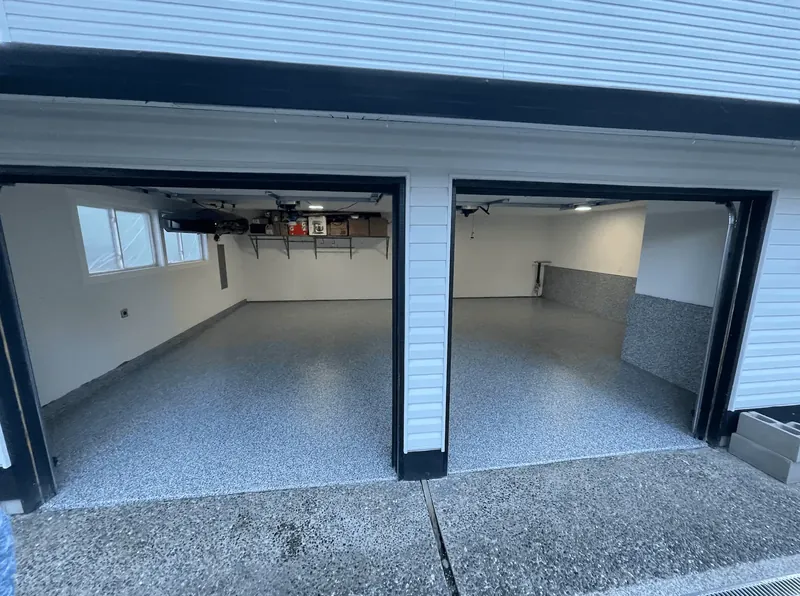
Classes by state
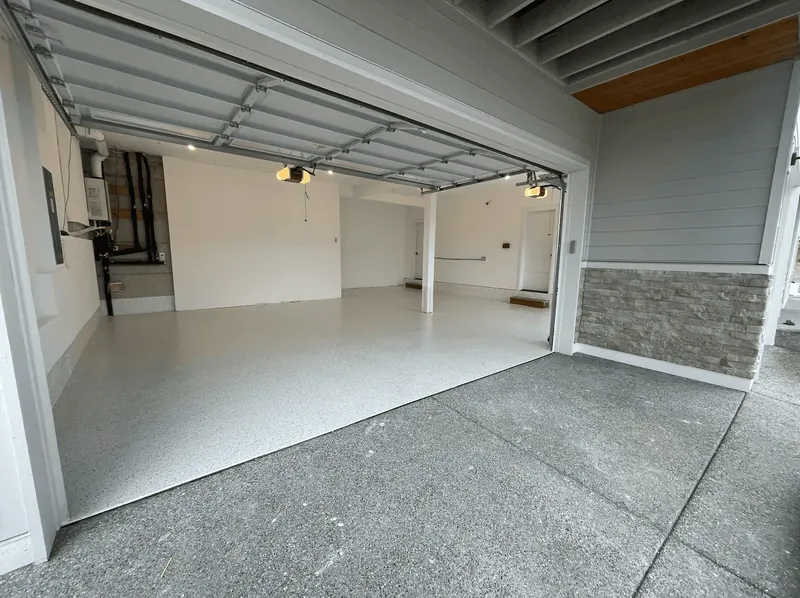
Epoxy flooring business insurance: what you need and what it costs
Insurance for epoxy flooring contractors: general liability, workers' comp, auto, tools, BOP, umbrella and pollution cover, with typical costs, COIs and bonds.
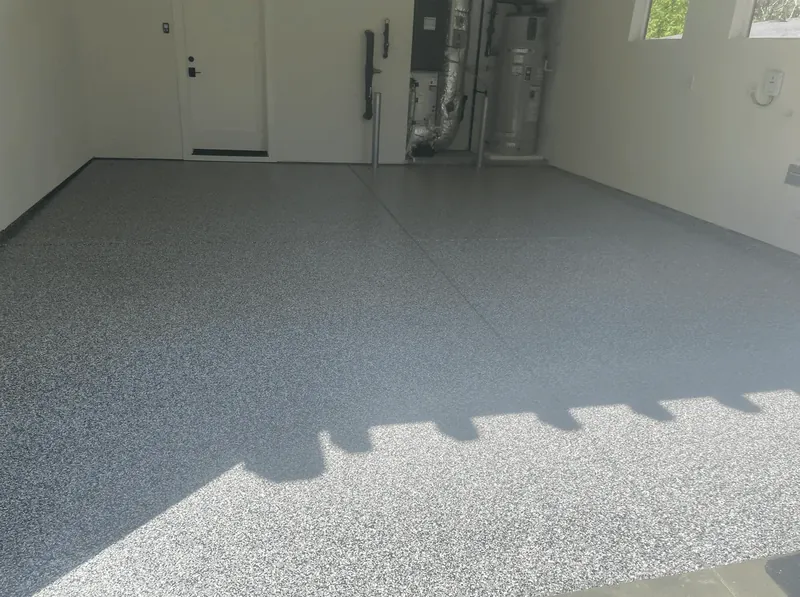
Epoxy cure time: how temperature, humidity and dew point change it
Epoxy and polyaspartic cure times from real data sheets: pot life, recoat windows, foot and vehicle traffic, the 5°F dew point rule, and cold-weather planning.