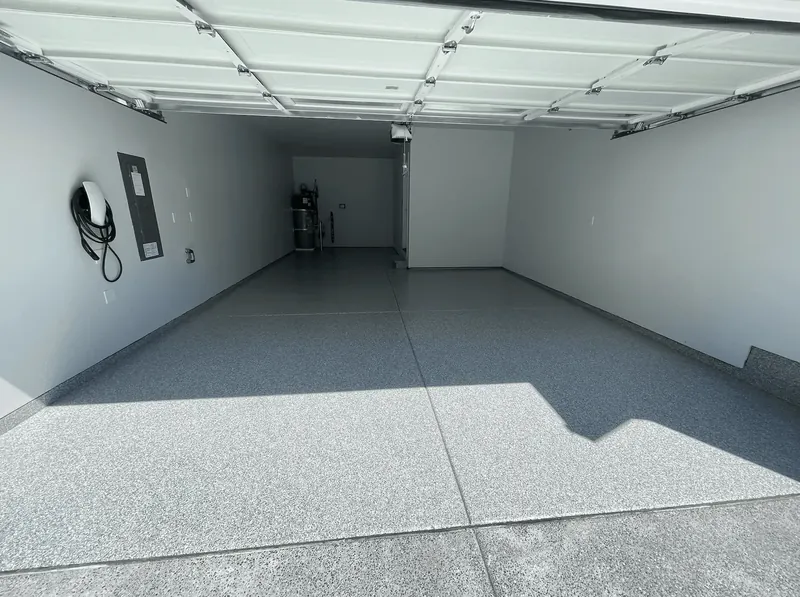
Key takeaways
- California requires a CSLB license for any job of $1,000 or more in labor and materials, and below that if the job needs a permit or anyone works for you on it.
- No CSLB classification names epoxy floors: coating companies hold C-15 Flooring, C-33 Painting or C-61/D-12 Synthetic Products, so ask CSLB which fits the systems you install.
- Every license carries a $25,000 bond, and from January 1, 2028 every licensee must carry workers' comp, with or without employees.
- An LLC costs $70 to form, $20 every two years for the Statement of Information and an $800 tax every year.
- Floor coatings are capped at 50 grams of VOC per liter in the South Coast and in districts that follow the state model rule, a limit many products sold in other states exceed.
California asks more of a new coating business than most states. You need a CSLB license before you take a job of $1,000, a $25,000 bond, an $800 LLC tax every year, and products that meet some of the strictest VOC limits in the country. In return, it has the largest population in the country and a southern coast where humidity and temperature stay inside most data-sheet limits all year.
Do you need a license for epoxy floors in California?
Yes, for almost any paid job. Since January 1, 2025, a Contractors State License Board license is required for any project of $1,000 or more, counting labor and materials together across every contract for the same project. Below $1,000 you still need a license if the job requires a permit of any kind or if you have anyone working for you on it. Splitting a job into smaller contracts to stay under the limit is illegal, and since July 1, 2026 the minimum fine for unlicensed work is $1,500.
You may advertise small jobs without a license only if the ad says you are not licensed. You can look up any contractor, and start your own application, on the CSLB site.
Which classification covers epoxy floors
No CSLB classification names epoxy floors, and coating companies in California hold at least three:
- C-15 Flooring and Floor Covering prepares surfaces and installs flooring, including “any other materials established as flooring and floor covering material, except ceramic tile.” Floor coatings fit through that phrase.
- C-33 Painting and Decorating applies paints, stains and similar “materials which adhere by evaporation.” Most floor epoxies and polyaspartics cure by chemical reaction, not evaporation, which makes C-33 the weakest fit for 100%-solids systems.
- C-61/D-12 Synthetic Products is the only listing that names the material: “resin and epoxy application.” Any other specialty contractor may also do C-61 work related to its own classification.
- C-61/D-06 Concrete-Related Services covers “floor hardening treatment, coloring concrete, concrete restoration,” which matters if you also polish, densify or stain.
You will hear coating companies say only one of these is legal for epoxy floors. The classification text doesn’t say that. Describe the systems you install when you apply and ask CSLB which classification fits before you schedule the exam.
Bonds, insurance and workers’ comp
Every active license carries a $25,000 contractor bond. A contracting LLC needs more: a $100,000 worker bond on top of the contractor bond, and at least $1 million of liability insurance for an LLC with five or fewer members, plus $100,000 for each additional member up to $5 million.
Workers’ compensation is required for any employee, even one. Concrete contractors (C-8) must already carry it whether or not they have employees, and from January 1, 2028 every licensee must carry it, employees or not. Penalties for claiming an exemption you don’t qualify for went up on January 1, 2026.
Home improvement contracts have their own rules. On a home job, the down payment may not exceed $1,000 or 10% of the contract price, whichever is less, and later payments may not run ahead of the work done. Since 2026 the contract must include your email address and let the homeowner cancel by email, and you must name your subcontractors and their license numbers if the homeowner asks.
Safety is enforced by Cal/OSHA, the state’s own plan for private employers, including the silica rules that apply when you grind concrete.
Where to take an epoxy class in California
Three providers hold hands-on classes in California, concentrated in Los Angeles and Orange County:
| Class type | California options | Price | Price per day |
|---|---|---|---|
| 1-day garage system class | E2U (Anaheim, Rancho Cordova) | $150 in Anaheim | $150 |
| 2-day supplier class | U.S. Resin Supply (North Hollywood, Anaheim, Sacramento, San Jose, Visalia) | $750–999 | $375–499.50 |
| 3-day course | Xtreme Polishing Systems (Los Angeles) | $1,350 | $450 ($1,350 ÷ 3) |
| 5-day course | Xtreme Polishing Systems (Los Angeles) | $1,750 | $350 ($1,750 ÷ 5) |
Los Angeles is the only California city with a three- or five-day course. Northern California is thinner: Sacramento, San Jose and Rancho Cordova host supplier classes, so plan on a drive or a flight for anything longer. Las Vegas runs the same five-day course as Los Angeles, and Phoenix has a one-day garage class for $299.
Forming the business: LLC, Statement of Information and the $800 tax
An LLC costs $70 to form, filed online with the Secretary of State. Within 90 days you file a Statement of Information ($20), then again every two years. Every LLC that is organized or doing business in California also pays the Franchise Tax Board an $800 annual tax, due by the 15th day of the fourth month after you file, and every year after that until you cancel the LLC. The first-year exemption covered only tax years beginning in 2021 through 2023, so a new LLC pays from year one. LLCs with more than $250,000 of income owe an additional fee.
Add it up for year one: $70 + $20 + $800 = $890 before the license, bond and insurance.
VOC limits: check the data sheet before you buy
California’s air districts set limits on the solvent content of coatings, and floor coatings are one of the tightest categories. The South Coast district (Orange County and most of Los Angeles, Riverside and San Bernardino counties) caps floor coatings at 50 grams of VOC per liter and has since 2006. The state’s model rule, which districts adopt one by one, set the same 50 g/L limit from January 1, 2022, and districts such as Mojave Desert have adopted it.
For comparison, the national limit for floor coatings is 400 g/L. Many products that are perfectly legal in other states don’t qualify here: a polyaspartic rated at “under 150 g/L,” for example, can be up to three times the 50 g/L limit. Before you stock a system, read the VOC figure on the data sheet and the compliance statement on the label, and check which district the job is in.
Coast, valleys and fog: installing in California
A typical high-solids floor epoxy, such as Sherwin-Williams ArmorSeal 1000 HS, needs air, slab and material between 50°F and 120°F, relative humidity no higher than 85%, and a slab at least 5°F warmer than the dew point. California has three very different places to meet that:
| City | Average early-morning humidity | Average afternoon humidity | Normal summer high | Normal winter low |
|---|---|---|---|---|
| Los Angeles | 51–65% | 49–60% | 84.0°F (August) | 48.2°F (December) |
| San Diego | 67–80% | 58–67% | 77.3°F (August) | 49.8°F (December) |
| San Francisco (airport) | 83–91% | 62–73% | 70.2°F (September) | 46.6°F (January) |
| Sacramento | 71–87% | 29–69% | 92.6°F (July) | 38.5°F (December) |
| Fresno | 55–88% | 21–67% | 97.7°F (July) | 39.8°F (December) |
Ranges are the lowest and highest monthly averages across the year; morning readings are taken at 4 a.m. and afternoon readings at 4 p.m. Pacific time.
- The Southern California coast is the easy case. Humidity in Los Angeles and San Diego stays under the 85% ceiling on average all year, and temperatures stay inside most data-sheet ranges.
- The Bay Area fights fog. Early-morning humidity at San Francisco’s airport averages 83–91%, and cool days keep slabs cold. Coat later in the day and check the dew point at the slab.
- The Central Valley swings hard. Summer afternoons in Sacramento and Fresno are hot and dry, which shortens pot life (the ArmorSeal epoxy drops from 4 hours at 77°F to 2 hours at 120°F). Winter mornings are humid and near 40°F, below the 50°F minimum on many epoxies.
- Test every slab for moisture by calcium chloride test (ASTM F1869) or in-slab humidity (ASTM F2170), as data sheets require.
Where the work is in California
California has the largest population in the country, 39,355,309 on July 1, 2025, even though it was one of five states that lost residents that year. Four of the ten most populous counties in the country are in California: Los Angeles (9,694,934), San Diego (3,282,248), Orange (3,149,507) and Riverside (2,544,916). Los Angeles County shrank while Riverside County grew, a sign that residential growth is moving inland while the coast holds the density and much of the commercial work.
Epoxy Business School classes in California
Epoxy Business School hasn’t scheduled a California class yet. Classes open state by state with partner trainers who install floors for a living, in the states where enough people ask for them. Before the two days on the slab, students complete The Epoxy Playbook: recorded installation training, with full installs you can replay, plus the business side of pricing, quoting and selling. It’s required before the hands-on class.
If you’re in California, leave your number below and we’ll text you when a class is set. Getting licensed first? Our license requirements by state page goes deeper on the classification question, and the startup cost calculator adds the bond, the $800 tax and insurance to your budget.
Classes in and near California
Listed so you can compare; not an endorsement or a partnership. Confirm dates and prices with the provider before you book.
| Provider | Where | Format | Price | Notes |
|---|---|---|---|---|
| Xtreme Polishing Systems (Polished Concrete University) | Los Angeles | 3 days or 5 days | $1,350 (3 days); $1,750 (5 days) | Prep, concrete testing, cove base, flake, metallic and quartz; 15% off for extra attendees. |
| U.S. Resin Supply | North Hollywood (Los Angeles), Anaheim, Sacramento, San Jose, Visalia | 2-day Intro to Epoxy; 1- and 2-day system classes | $999 (2-day intro in Los Angeles); $750 (2-day system classes) | Supplier stores; materials and lunch included. Dates are posted store by store. |
| E2U | Anaheim and Rancho Cordova | 1 day | $150 (Anaheim) | Garage floor systems. Rancho Cordova class October 23, 2026; Anaheim class November 20, 2026. |
| Xtreme Polishing Systems (Polished Concrete University) | Las Vegas, NV | 5 days | $1,750 | Same five-day curriculum as Los Angeles. |
| E2U | Phoenix, AZ | 1 day | $299 | Hands-on garage system class, November 14, 2026. |
Questions
Do I need a contractor license to install epoxy floors in California?
Yes, for any job of $1,000 or more in labor and materials, counted across every contract for the same project. Below $1,000 you still need a license if the job requires a permit or if anyone works for you on it, and splitting a job to stay under the limit is illegal.
Which CSLB license covers epoxy floor coatings?
No classification names epoxy floors. C-15 Flooring and Floor Covering covers "any other materials established as flooring," C-33 Painting and Decorating covers coatings that "adhere by evaporation," and the C-61/D-12 Synthetic Products listing names "resin and epoxy application." Describe your systems when you apply and ask CSLB which classification fits.
How much does it cost to set up an LLC in California?
$70 to file the articles of organization, $20 for the Statement of Information within 90 days and every two years after, and an $800 tax to the Franchise Tax Board every year, due by the 15th day of the fourth month. A contracting LLC also needs a $100,000 worker bond and at least $1 million of liability insurance on top of the $25,000 contractor bond.
What VOC limit applies to floor coatings in California?
50 grams per liter in the South Coast district and in the districts that adopted the state's model rule, which set the same 50 g/L limit from January 1, 2022. Check the VOC figure on the data sheet and the label before you buy, because products made for other states can exceed it.
Where can I take an epoxy flooring class in California?
Los Angeles has a three- or five-day course ($1,350 or $1,750) and supplier classes in North Hollywood; Anaheim, Sacramento, San Jose, Visalia and Rancho Cordova host shorter supplier classes. Las Vegas and Phoenix are the nearest options out of state.
Keep reading
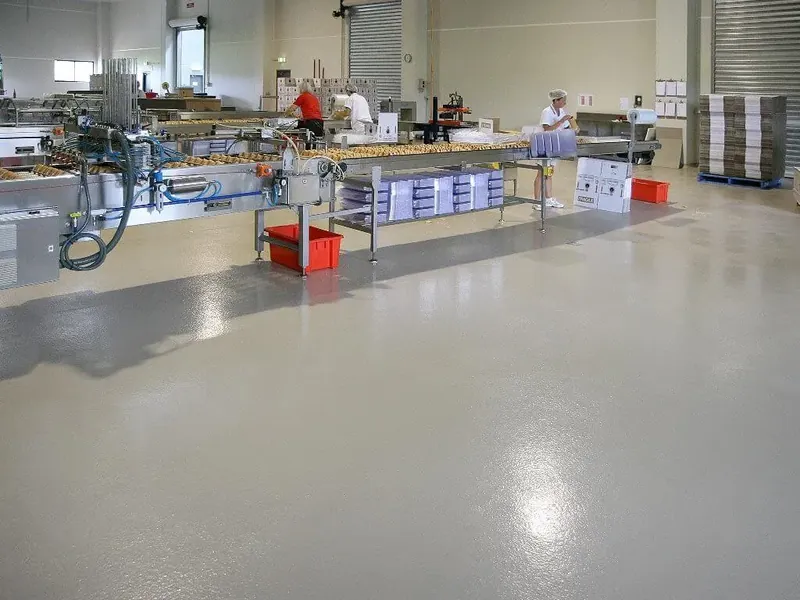
License requirements by state
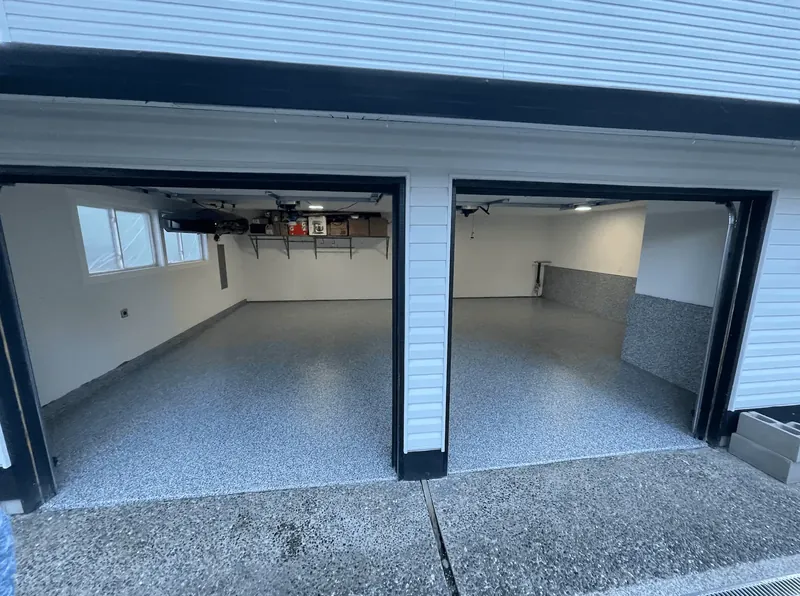
Classes by state
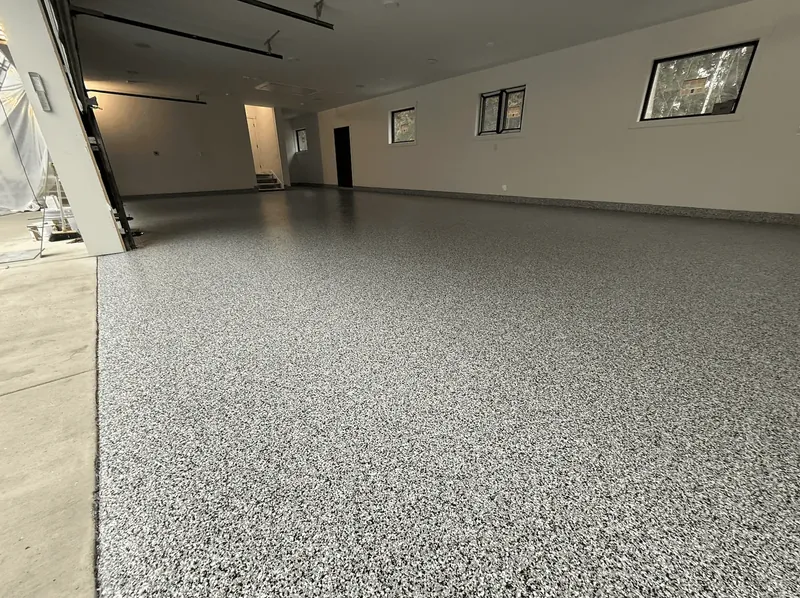
How to start an epoxy flooring business
Start an epoxy flooring business step by step: training, LLC, insurance, equipment to rent or buy, pricing and first jobs, with published prices.
Epoxy flooring business insurance: what you need and what it costs
Insurance for epoxy flooring contractors: general liability, workers' comp, auto, tools, BOP, umbrella and pollution cover, with typical costs, COIs and bonds.