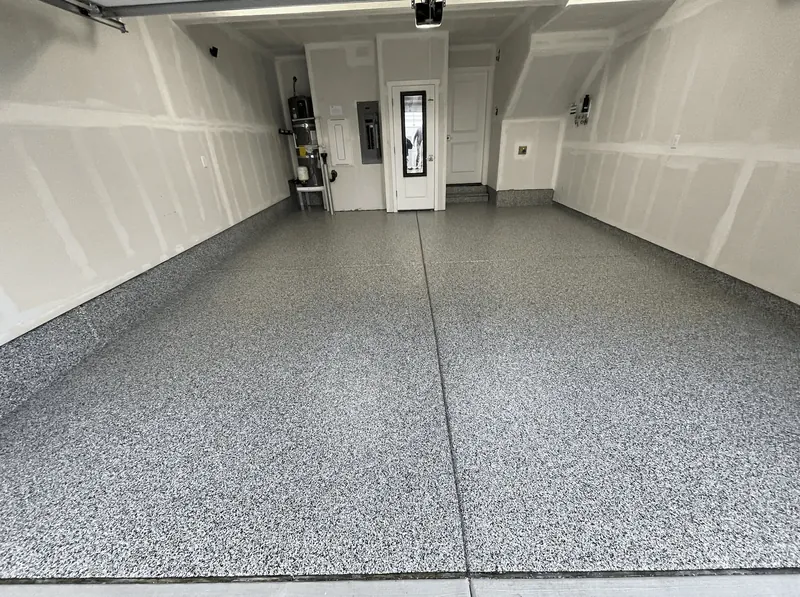
Key takeaways
- Residential floor coating jobs over $500 need a specialty registration from the Residential Builders Commission, and jobs over $5,000 for a homeowner also need a bond.
- Commercial jobs over $10,000 need a Contractor's Licensing Board license; flooring and finishing fall under the Nonstructural Renovation subclassification.
- An LLC costs $110 to form, and an LLC that isn't taxed as a corporation files no annual report.
- Workers' comp is required from four regular employees, but general contractors are liable for an uninsured sub's workers, so they ask for coverage regardless.
- Epoxy Depot teaches a three-day intro in Duncan, near Spartanburg, for $699; the next class is November 12–14, 2026.
- Average 7 a.m. humidity runs 85–89% from July to September in Columbia and Greenville–Spartanburg, so the dew point decides most summer start times.
South Carolina grew faster than any other state in 2025, and its coating rules split along one line: who the customer is. Residential floor coating needs a state registration once a job passes $500, commercial work needs a license once it passes $10,000, and an LLC costs $110 with no annual report. The summers are the other thing to plan around, with morning humidity close to 90% for three months.
Do you need a license for epoxy floors in South Carolina?
It depends on the job, and South Carolina sets two thresholds.
Residential work: a specialty registration over $500
The Residential Builders Commission regulates residential specialty contractors: anyone doing specialized trade work on a home for a homeowner, builder or general contractor when the job is over $500. That threshold was $200 until 2022. The specialties the law lists include floor covering installers and painters and wall paperers, the two closest fits for floor coating; ask the Commission which one fits the systems you install.
- One registration, up to three trades. A specialty registration can cover no more than three classifications; beyond that, you need the residential builder license.
- A bond over $5,000. When the materials and labor on a job for a homeowner pass $5,000, you need a surety bond in an amount the Commission approves, filed with the Commission.
- Local licenses still apply. A state registration doesn’t replace your city or county business license.
- Unregistered work is a misdemeanor, with a fine of $500 to $10,000 or at least 30 days in jail.
Commercial work: a license over $10,000
Commercial contracting over $10,000 needs a license from the Contractor’s Licensing Board. The threshold rose from $5,000 in 2023. Flooring and finishing, painting and waterproofing fall under the Nonstructural Renovation subclassification of General Contractors–Specialty. The license comes in financial groups: Group One covers bids and jobs up to $100,000 and needs a net worth of $20,000 or working capital of $10,000, shown on a financial statement. Commercial jobs of $10,000 or less don’t need the license, which covers a lot of small shop and showroom floors.
City and county business licenses
On top of the state registration or license, South Carolina’s cities and counties charge a business license tax, and since 2022 they all run it the same way. The license year runs from May 1 to April 30 everywhere, renewals are due by April 30, and the tax is based on the previous calendar year’s gross income, under a standard application and standard classes. You apply for a new license with each city or county directly, then renew them all at once through the state’s online Local Business License Renewal Center. Work in a town where you aren’t based, and that town can license you for the receipts you earn there, often at a higher rate than residents pay, so keep track of revenue by jurisdiction.
Setting up the business: LLC, taxes and workers’ comp
Forming an LLC costs $110 with the Secretary of State. An LLC taxed as a partnership or a sole proprietorship files no annual report, which makes South Carolina cheap to stay in good standing. An LLC that elects to be taxed as a corporation files the corporate annual report with its state tax return and pays an annual license fee.
Workers’ comp becomes mandatory once you regularly employ four or more people in the business and your payroll the previous year was $3,000 or more. That threshold matters less than it looks. Under South Carolina law, a general contractor is liable for the workers of an uninsured subcontractor, whatever the sub’s size, and gets relief only if it collected proof of the sub’s coverage when it hired them. So general contractors ask for a certificate before you start, and lying about coverage, or letting it lapse without telling them, can cost a licensed contractor the license for two years.
Safety in South Carolina is enforced by the state. South Carolina runs its own OSHA plan, which covers private employers, including the silica rules that apply when you grind concrete; see dust extractors and silica rules.
VOC limits for floor coatings follow the national rule, which caps them at 400 grams per liter.
Humid summers: installing in South Carolina
A typical high-solids floor epoxy needs relative humidity no higher than 85% and a slab at least 5°F warmer than the dew point. South Carolina’s summer mornings test both:
| City | Normal July high | Normal July low | Average 7 a.m. humidity, July–September | Normal January low |
|---|---|---|---|---|
| Columbia | 92.7°F | 72.0°F | 86–89% | 34.6°F |
| Greenville–Spartanburg | 90.3°F | 69.2°F | 85–87% | 32.1°F |
| Charleston (downtown) | 87.5°F | 77.1°F | — | 43.6°F |
Humidity readings are taken at 7 a.m. Eastern time; no comparable humidity record is published for the Charleston station.
- The dew point sets the start time. At 74°F and 89% humidity, close to a normal August morning in Columbia, the dew point is about 70.5°F, so the slab would need to be at least 75.5°F, warmer than the air. Grind and prep in the morning, and start coats once the slab has warmed and the humidity has dropped.
- The coast stays warm at night. Downtown Charleston’s normal July low is 77°F, so coastal slabs never cool off much, and the humidity rarely does either. Run a dehumidifier in a closed garage and read the slab with a surface thermometer and a dew point meter, not the forecast.
- Hurricane season runs June through November. Tropical systems bring days of rain and saturated air. Check the forecast for the whole cure window, and move a job rather than coat into a storm.
- Winters are mild but not warm. January lows sit at or near freezing in Columbia and the Upstate, so the slab, not the afternoon air, decides when a winter job can start.
Where the work is in South Carolina
South Carolina had 5,570,274 residents on July 1, 2025, and grew 1.5% in a year, faster than any other state. It added 79,958 people, almost all of them moving in: a net 66,622 from other states, the third most of any state. The metros show where:
- Myrtle Beach–Conway–North Myrtle Beach grew 3.2%, the second-fastest rate of any US metro, and Spartanburg grew 2.8%, the third-fastest.
- Charleston–North Charleston added 15,175 people (889,263), Greenville–Anderson–Greer passed one million (1,014,101), and Columbia reached 879,918.
- Rock Hill and Fort Mill are part of metro Charlotte, which added 54,122 people in a year.
Fast growth means new garages, new owners and new commercial space, in every corner of the state.
Where to take an epoxy class in and near South Carolina
One supplier class runs in South Carolina, and the same class runs in Charlotte and Durham:
| Class | Where | Length | Price | Price per day |
|---|---|---|---|---|
| Epoxy Depot Intro to Epoxy | Duncan (Spartanburg area) | 3 days | $699 | $233 |
| Epoxy Depot Intro to Epoxy | Charlotte, NC | 3 days | $695 | about $232 ($695 ÷ 3) |
| Epoxy Depot Intro to Epoxy | Durham, NC | 3 days | $695 | about $232 ($695 ÷ 3) |
The Duncan class runs November 12–14, 2026, at Epoxy Depot’s Upstate store between Greenville and Spartanburg. It covers diamond grinding and prep, crack filling, one-day flake floors, metallic and marbling, and urethane and polyaspartic topcoats, with materials included. Epoxy Depot’s Summerville store, near Charleston, also posts classes, but none were scheduled in mid-October 2026. From Rock Hill or the Midlands, Charlotte’s class a week later is the closer drive.
Epoxy Business School classes in South Carolina
Epoxy Business School hasn’t scheduled a South Carolina class yet. Classes open state by state with partner trainers who install floors for a living, in the states where enough people ask for them. Before the two days on the slab, students complete The Epoxy Playbook: recorded installation training, with full installs you can replay, plus the business side of pricing, quoting and selling. It’s required before the hands-on class.
If you’re in South Carolina, leave your number below and we’ll text you when a class is set. If you’ll also work in North Carolina or Georgia, each sets its own rules; see license requirements by state.
Classes in and near South Carolina
Listed so you can compare; not an endorsement or a partnership. Confirm dates and prices with the provider before you book.
| Provider | Where | Format | Price | Notes |
|---|---|---|---|---|
| Epoxy Depot | Duncan (Spartanburg area) | 3 days (Intro to Epoxy) | $699 | November 12–14, 2026. Prep and diamond grinding, crack filling, one-day flake floors, metallic and marbling, urethane and polyaspartic topcoats; materials included. |
| Epoxy Depot | Charlotte, NC | 3 days (Intro to Epoxy) | $695 | November 19–21, 2026; the same intro class, about 30 minutes from Rock Hill. |
| Epoxy Depot | Durham, NC | 3 days (Intro to Epoxy) | $695 | October 29–31, 2026. |
Cities in South Carolina
- Columbia
- Charleston
- Greenville
- Spartanburg
- Myrtle Beach
- Rock Hill
- Mount Pleasant
- Summerville
Questions
Do I need a license to install epoxy floors in South Carolina?
It depends on the job. Residential work over $500 needs a residential specialty registration from the Residential Builders Commission, and a bond once a job for a homeowner passes $5,000. Commercial work over $10,000 needs a license from the Contractor's Licensing Board, in the Nonstructural Renovation subclassification for flooring and finishing.
Which residential registration covers epoxy floors in South Carolina?
The law lists floor covering installers and painters and wall paperers among residential specialty contractors, and those are the closest fits for floor coating. A specialty registration can cover up to three classifications; ask the Residential Builders Commission which one fits the systems you install.
How much does an LLC cost in South Carolina?
$110 to file the articles of organization with the Secretary of State. An LLC taxed as a partnership or sole proprietorship files no annual report; one that elects to be taxed as a corporation files the corporate annual report with its state tax return.
When do I need workers' comp in South Carolina?
The law applies once you regularly employ four or more people in the business and your payroll the previous year was $3,000 or more. But a general contractor is liable for the workers of an uninsured subcontractor, whatever its size, so expect general contractors to ask for proof of coverage before you start.
Where can I take an epoxy class in South Carolina?
Epoxy Depot runs a three-day Intro to Epoxy class at its store in Duncan, near Spartanburg, for $699; the next one is November 12–14, 2026. The same class runs in Charlotte, North Carolina, a week later for $695.
Keep reading
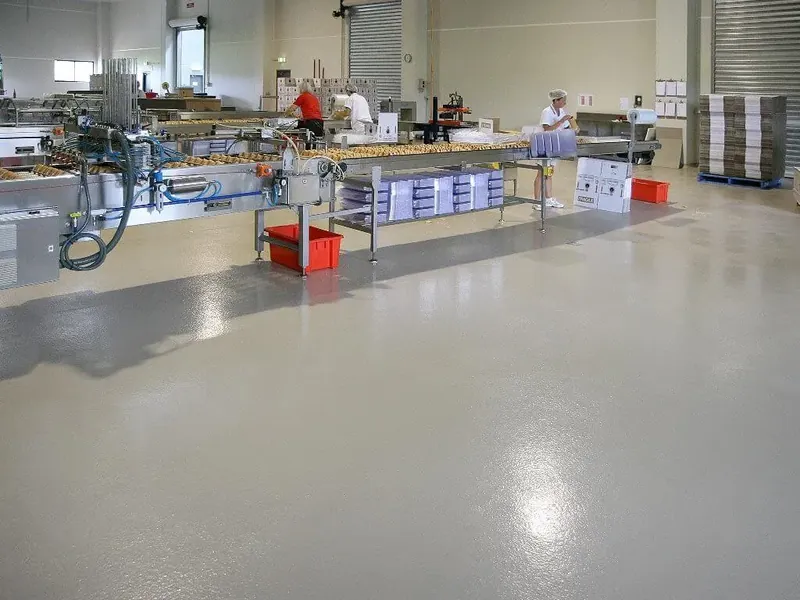
License requirements by state
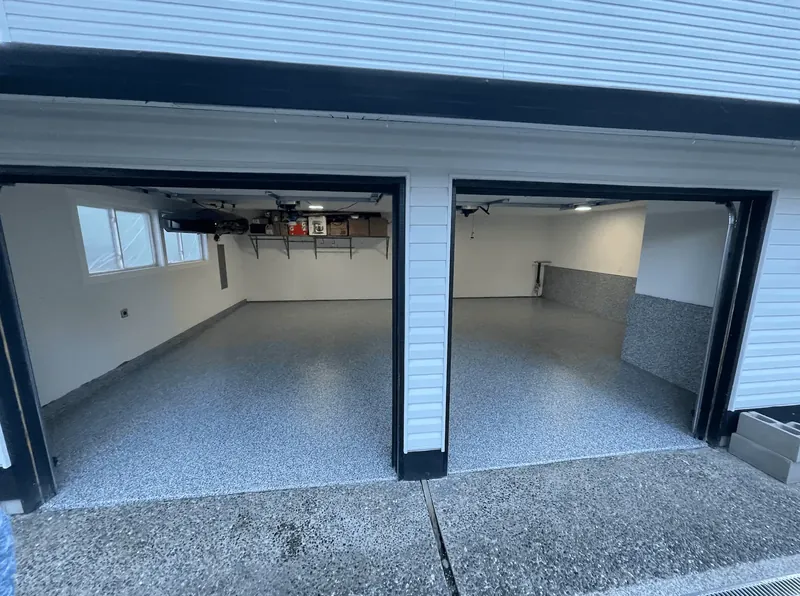
Classes by state
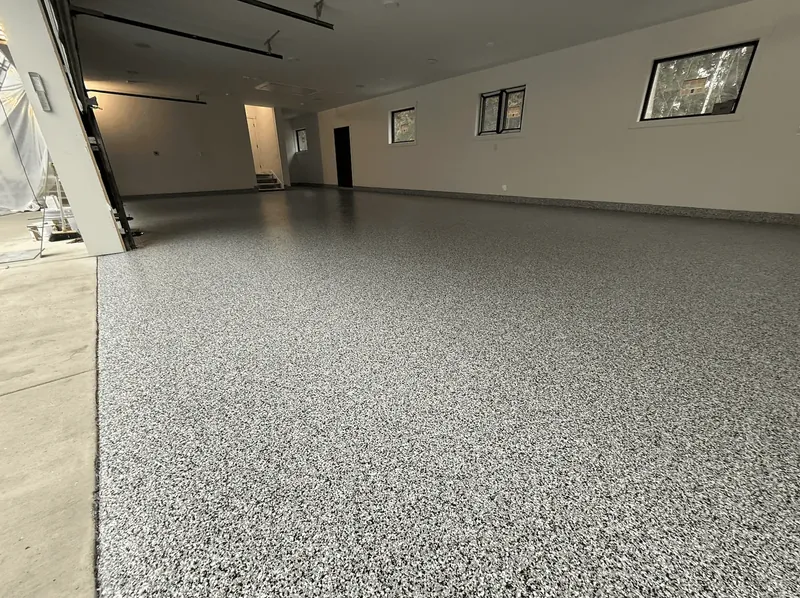
How to start an epoxy flooring business
Start an epoxy flooring business step by step: training, LLC, insurance, equipment to rent or buy, pricing and first jobs, with published prices.
Epoxy cure time: how temperature, humidity and dew point change it
Epoxy and polyaspartic cure times from real data sheets: pot life, recoat windows, foot and vehicle traffic, the 5°F dew point rule, and cold-weather planning.