Guide
How to start an epoxy flooring business
Start an epoxy flooring business step by step: training, LLC, insurance, equipment to rent or buy, pricing and first jobs, with published prices.
Guides and articles
Free guides on starting, pricing, selling and running an epoxy and concrete-coating business, from equipment to the sales call.
Start here
In-depth guides to the decisions that matter most in your first year.
Start an epoxy flooring business step by step: training, LLC, insurance, equipment to rent or buy, pricing and first jobs, with published prices.
Concrete grinder rental rates for hand-held, dual-disc and planetary grinders, what's charged extra, power and OSHA dust rules, and a garage step by step.
Epoxy floors cost about $4–10 per sq ft installed. Prices by system and by space, why quotes vary so much, and what moves the price on a given slab.
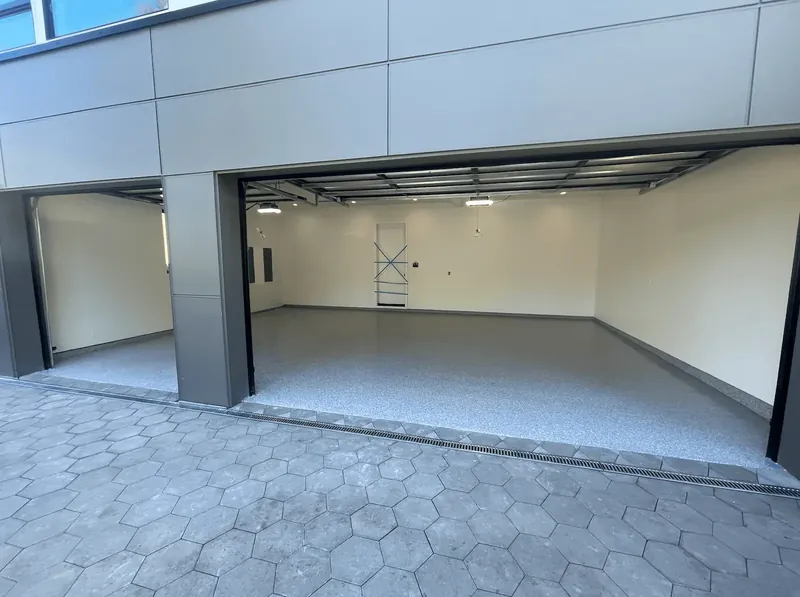
Write an epoxy flooring business plan: standard sections with coating examples, startup costs, a year-one example from stated numbers, and break-even.
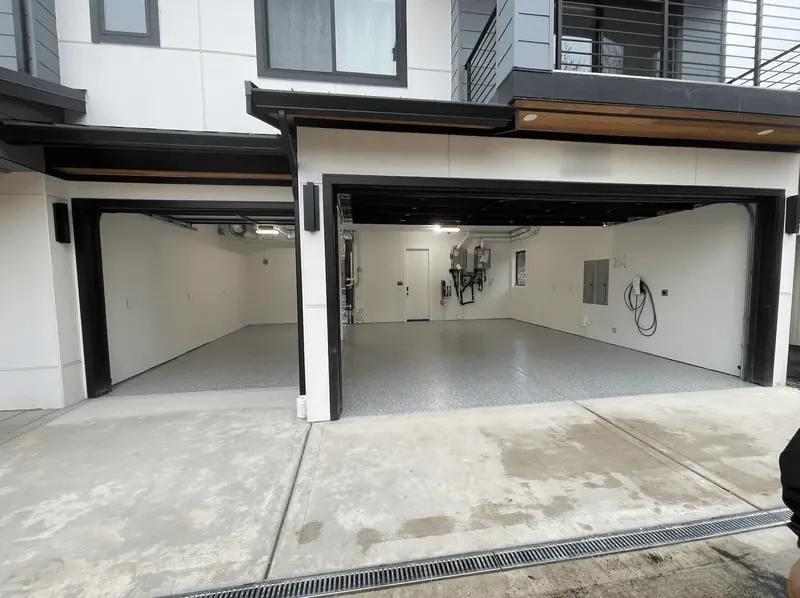
Every tool an epoxy flooring business needs, stage by stage: grinders, dust extractors, tooling, application, testing and safety gear, with rent and buy prices.
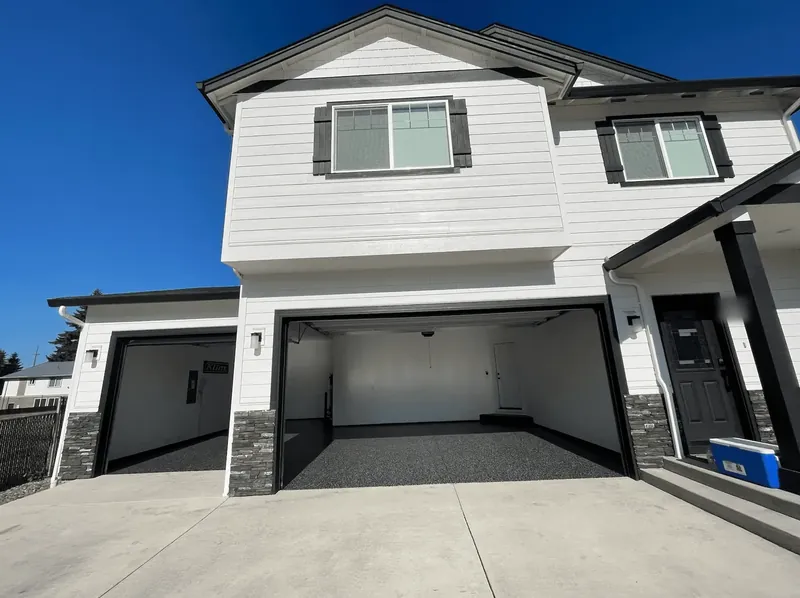
Where epoxy flooring leads come from, from Google Business Profile and reviews to Local Services Ads, Meta and Angi, with lead costs and a 90-day plan.
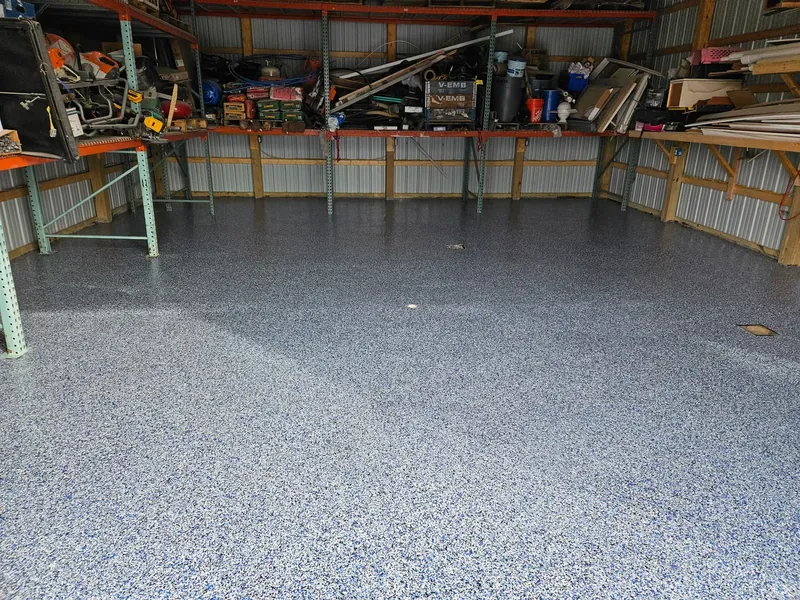
The supplies epoxy flooring contractors buy, from primers and polyaspartic topcoats to flake and fillers, the kinds of suppliers, and how to pick one near you.
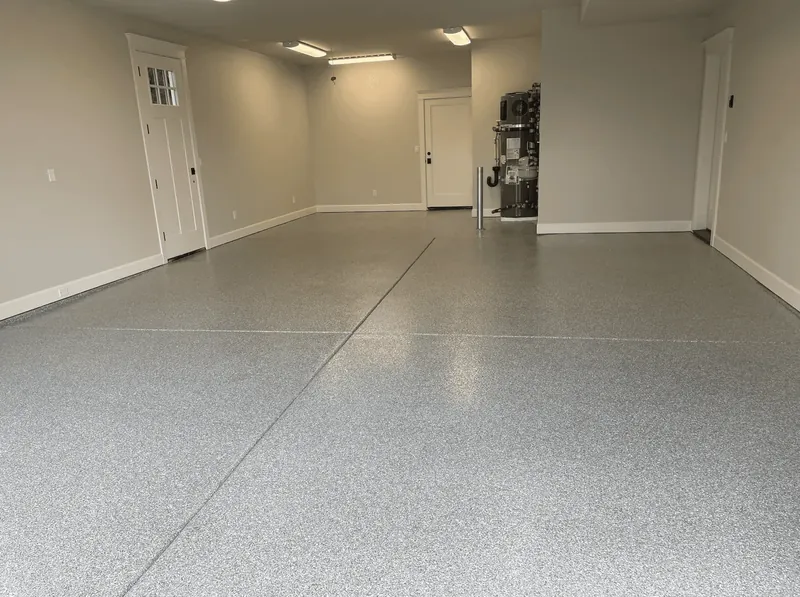
Build an epoxy floor price from materials, labor, overhead and profit, with a worked two-car garage example, margin vs markup, a minimum job price and adders.
Epoxy flooring statistics for 2026: market size, search demand, installed prices, equipment and startup costs, lead costs, insurance, wages and business sales.
How the library is organized
The same seven systems run through our curriculum, our tools and these guides. Start with the one that's costing you the most.
Entity, licensing, insurance, equipment and a supplier, in the right order and at the right cost.
A price per square foot and per job that carries your overhead and leaves a profit.
Measured estimates, a written scope of work and contract terms that hold up.
The in-home sales call, good-better-best options and the objections you will hear.
Reading the slab, moisture testing, prep, systems and cure, with a job-day checklist.
Warranty terms you can honor, documentation, and a callback process before you need one.
Leads by channel and cost, reviews, and hiring the people who let you step off the floor.
System: Set up
Business plans, licensing, insurance, what owners earn, and buying or starting a coating company.
Start an epoxy flooring business step by step: training, LLC, insurance, equipment to rent or buy, pricing and first jobs, with published prices.
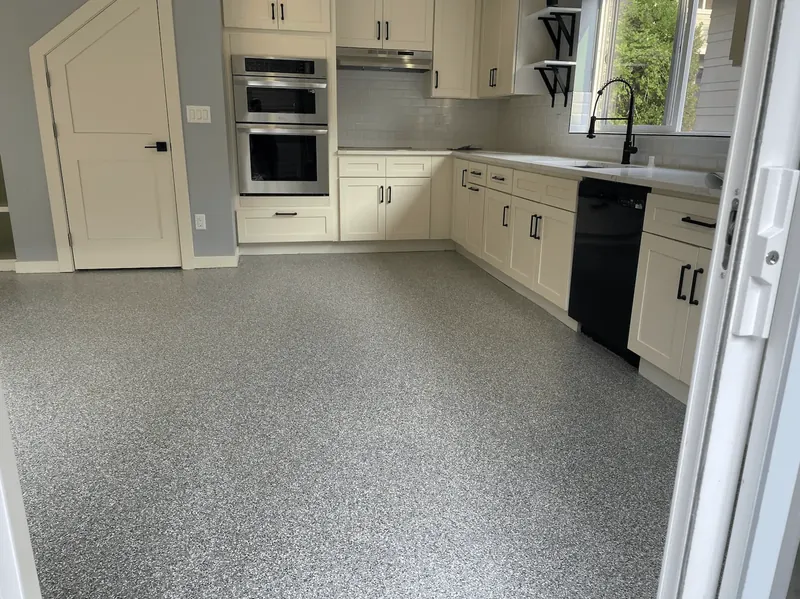
How to start an epoxy countertop business: how the work differs from floors, which skills transfer, startup costs, training, and a priced kitchen example.
Buying an epoxy flooring business for sale: buy vs start, where listings are, valuing it on owner earnings, coating-specific due diligence and SBA loans.
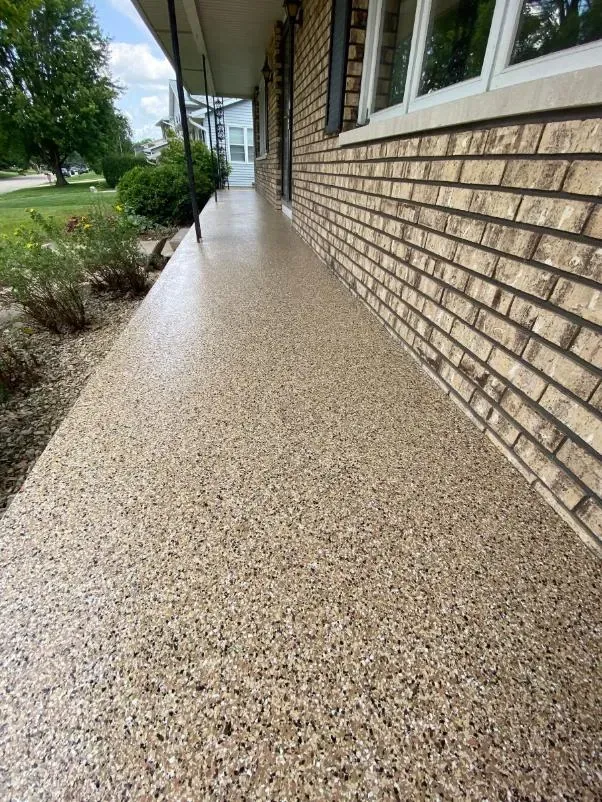
How to start epoxy flooring as a weekend side business: rent the grinder, minimum setup, insurance, cure times vs weekends, capacity math and going full time.
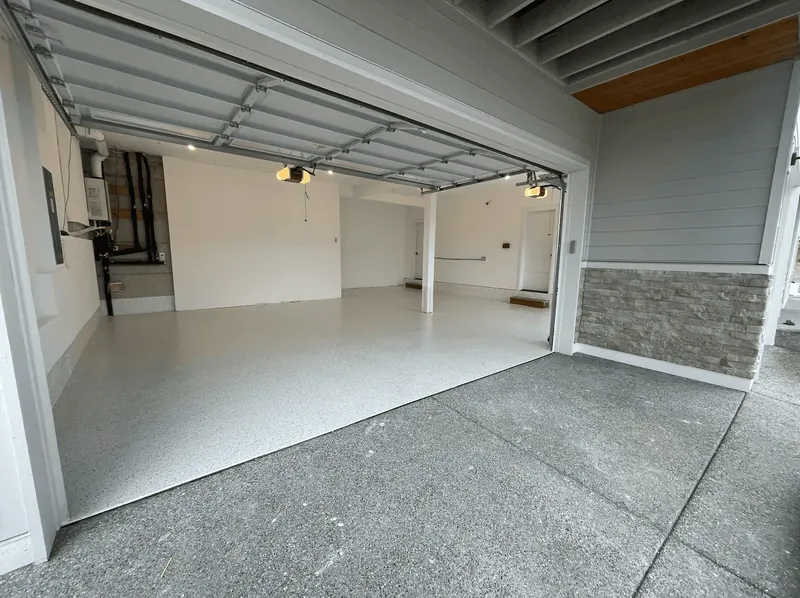
Insurance for epoxy flooring contractors: general liability, workers' comp, auto, tools, BOP, umbrella and pollution cover, with typical costs, COIs and bonds.
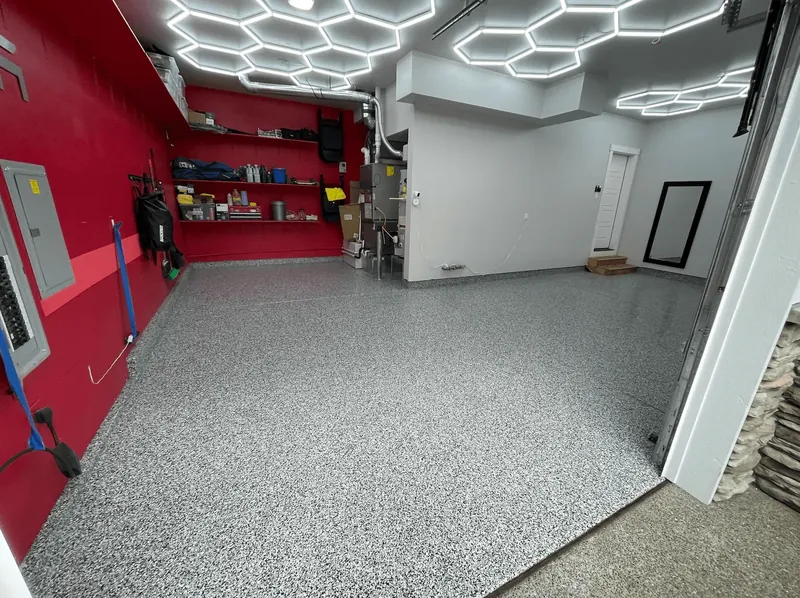
How to name an epoxy flooring business: what makes a good name, patterns with examples, state and DBA checks, a USPTO trademark search, domains and Google rules.
Write an epoxy flooring business plan: standard sections with coating examples, startup costs, a year-one example from stated numbers, and break-even.
Epoxy flooring statistics for 2026: market size, search demand, installed prices, equipment and startup costs, lead costs, insurance, wages and business sales.

What epoxy flooring business owners earn, from real listings and wage data: revenue vs profit vs owner pay, two worked examples, and what drives income.
System: Set up
Grinders, dust extraction, tooling, starter kits, renting versus buying, and where to buy materials.
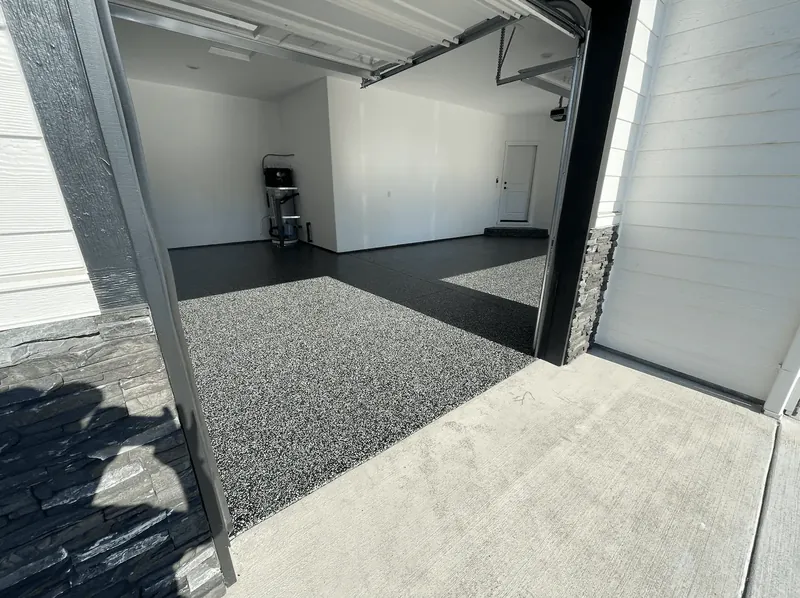
What OSHA's silica rule requires when you grind concrete: the 50 µg/m³ limit, Table 1 controls for floor and hand grinders, written plans and extractor specs.
Concrete grinder rental rates for hand-held, dual-disc and planetary grinders, what's charged extra, power and OSHA dust rules, and a garage step by step.
Which concrete grinder to use for epoxy prep: hand-held, single-disc, dual-disc and planetary machines compared, with EDCO and Husqvarna examples and costs.
Concrete grinding tools explained: metal-bond diamonds and grits for coating prep, matching bond to concrete hardness, PCDs, resin bonds, cup wheels and costs.
Every tool an epoxy flooring business needs, stage by stage: grinders, dust extractors, tooling, application, testing and safety gear, with rent and buy prices.
What an epoxy flooring starter kit costs: three budgets built from published prices, what suppliers' starter kits contain, and what to add as work grows.
The supplies epoxy flooring contractors buy, from primers and polyaspartic topcoats to flake and fillers, the kinds of suppliers, and how to pick one near you.
Rent or buy a floor grinder? Break-even tables from published rates ($90–142 a day) and prices ($8,488 dual-disc), plus extractors, tooling and insurance.
System: Price
How to price coating jobs, what floors cost per square foot, and the margins that keep a company alive.
Epoxy floors cost about $4–10 per sq ft installed. Prices by system and by space, why quotes vary so much, and what moves the price on a given slab.
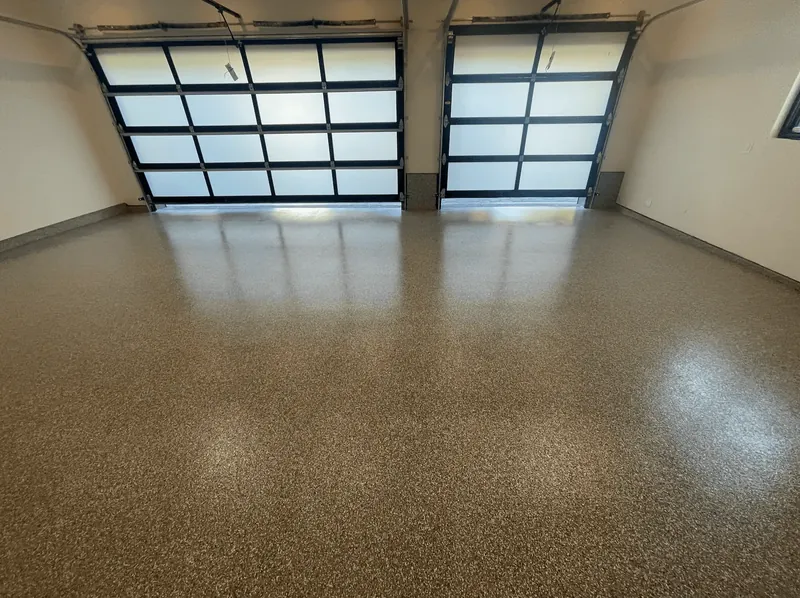
Gross vs net margin for epoxy flooring jobs, the margin claims you'll hear, a markup-to-margin table, job costing, and the seven places margin leaks.
Build an epoxy floor price from materials, labor, overhead and profit, with a worked two-car garage example, margin vs markup, a minimum job price and adders.
System: Quote and Sell
Estimates, contracts, scope of work and the sales call, including the objections you will hear.
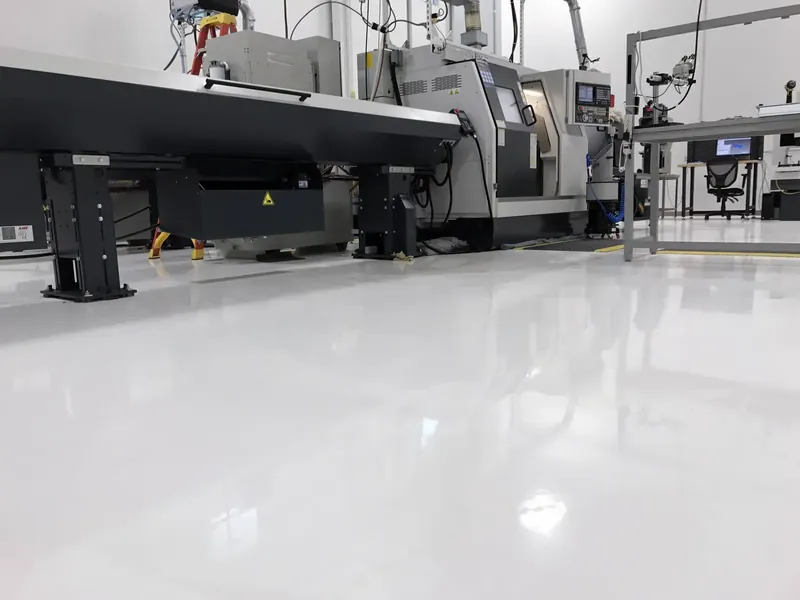
How to bid commercial epoxy flooring: read the spec, prepare submittals, handle prevailing wage, bonds and insurance, schedule around operations and price large floors.
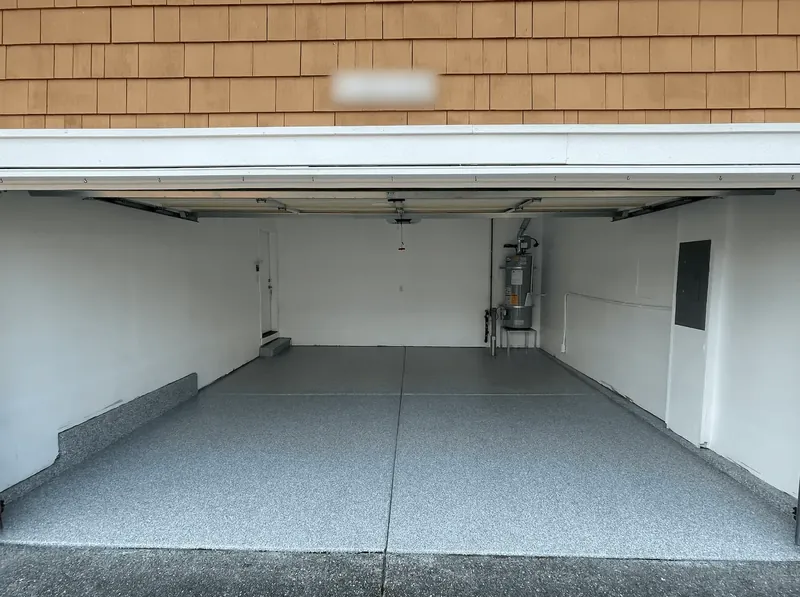
Measure a floor for an epoxy estimate: tools, odd-shaped rooms, deductions, what to record about cracks, coatings, moisture, access and power, and what to photograph.
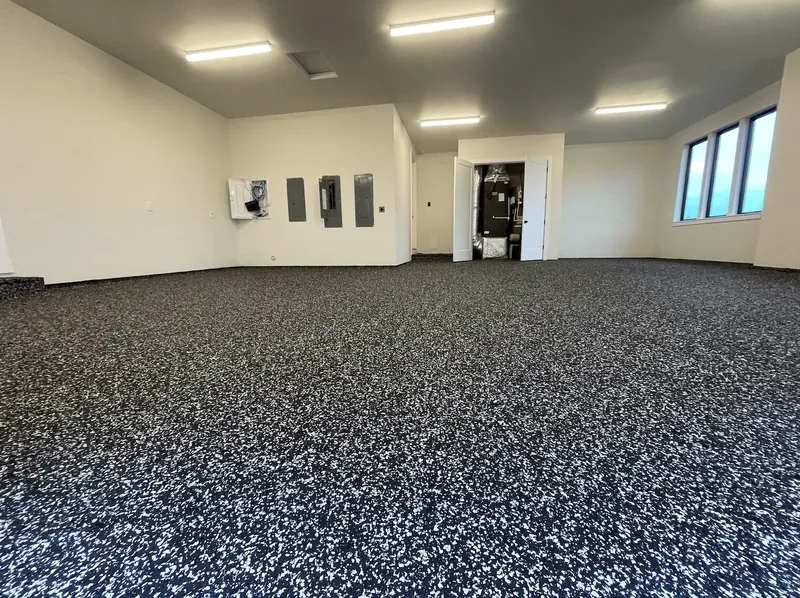
For contractors facing 'I can buy a kit for $200': what a big-box kit contains vs a pro system, prep, thickness, topcoat and warranty, and when a kit is fine.
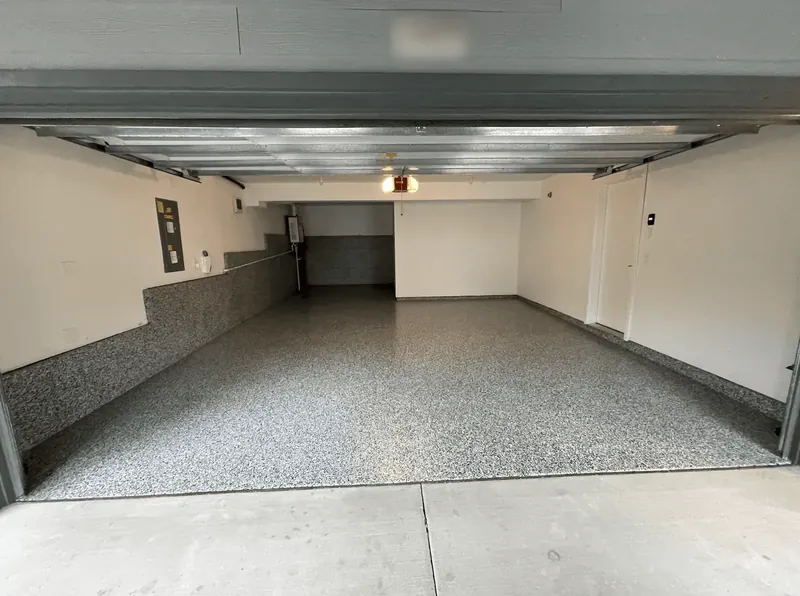
What to put in an epoxy flooring contract and scope of work: prep, system, exclusions, deposits and payment rules, change orders, warranty and lien notices.
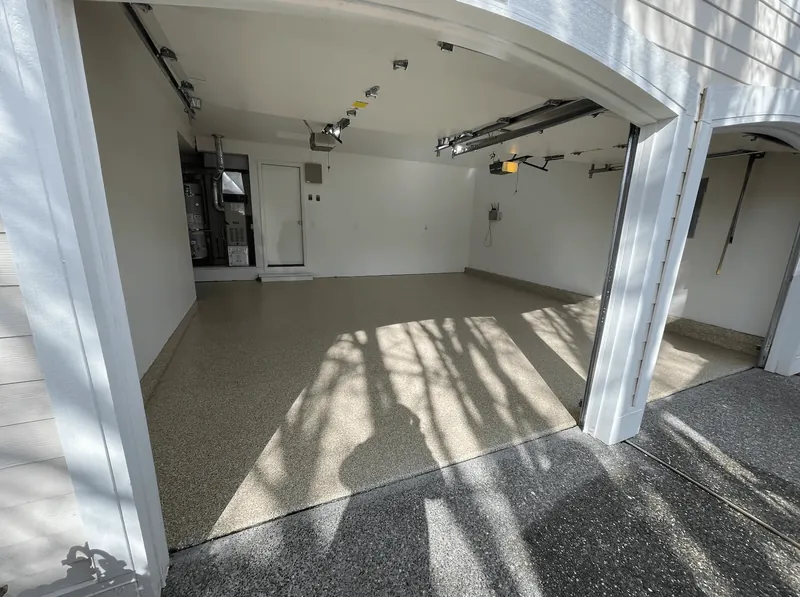
The in-home epoxy flooring sales process: pre-qualifying calls, measuring, moisture checks, three options, the $200 DIY kit objection, deposits and follow-up.
System: Install
Surface prep, moisture, flake, metallic and polyaspartic systems, cure times, safety and why floors fail.
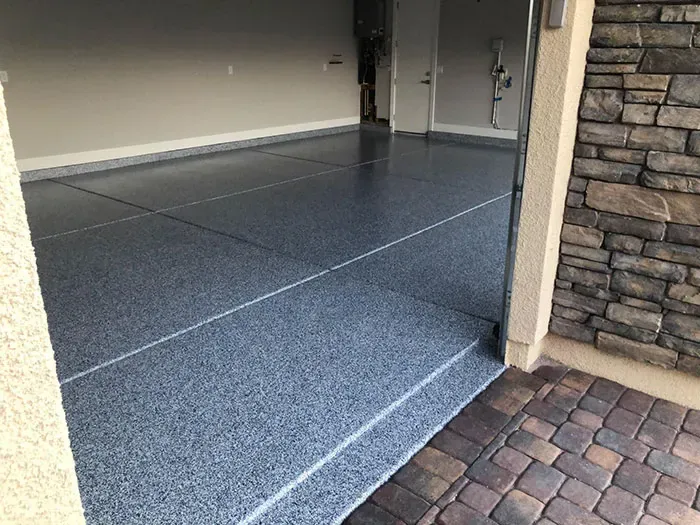
How to repair cracks and joints before an epoxy coating: read each crack, chase and fill it, fill or honor control joints, patch spalls and know what no coating fixes.
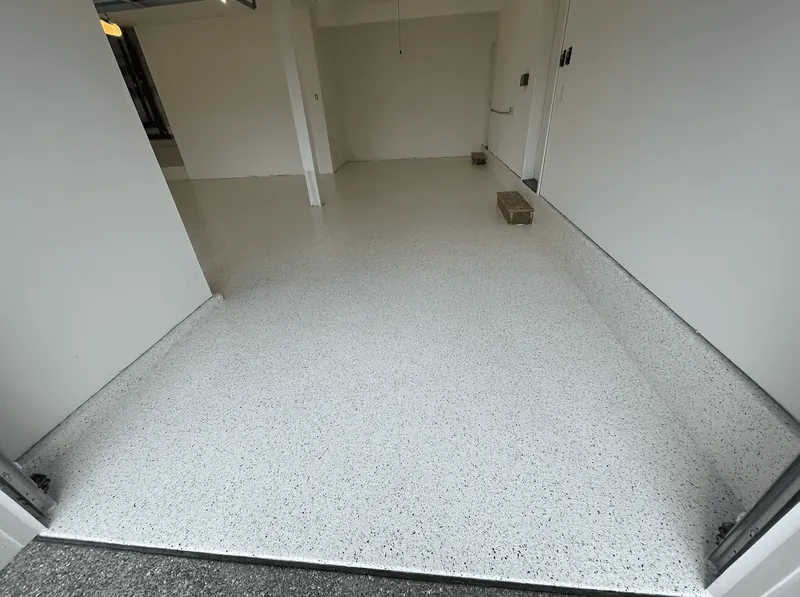
How to install epoxy cove base: integral, flake and cant cove, 4- and 6-inch heights, where cove is required, the steps, and how to price it per linear foot.
How quartz broadcast epoxy floors are built: single vs double broadcast, about 0.5 lb of quartz per sq ft per broadcast, slip resistance, uses and quartz vs flake.
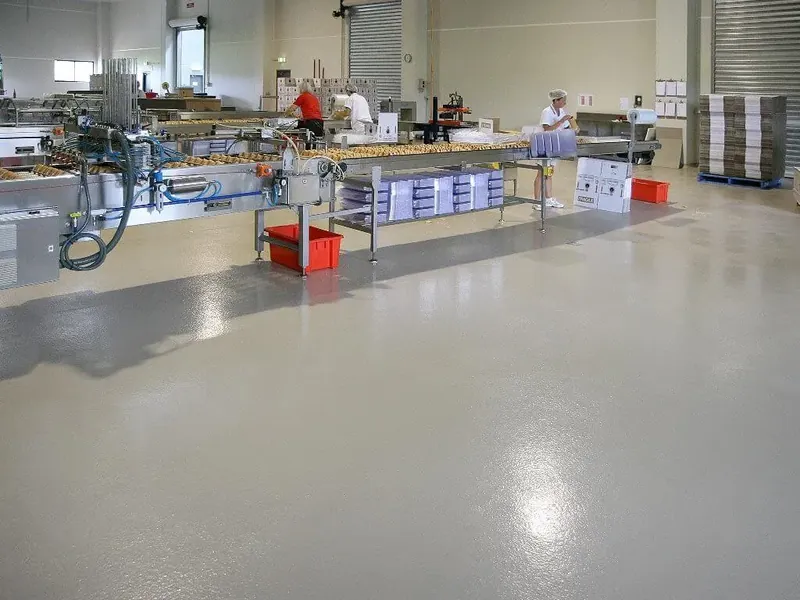
How to remove old floor coatings: identify what's on the slab, decide recoat or remove, choose PCD grinding, shot blasting, scarifying or strippers, and price the work.
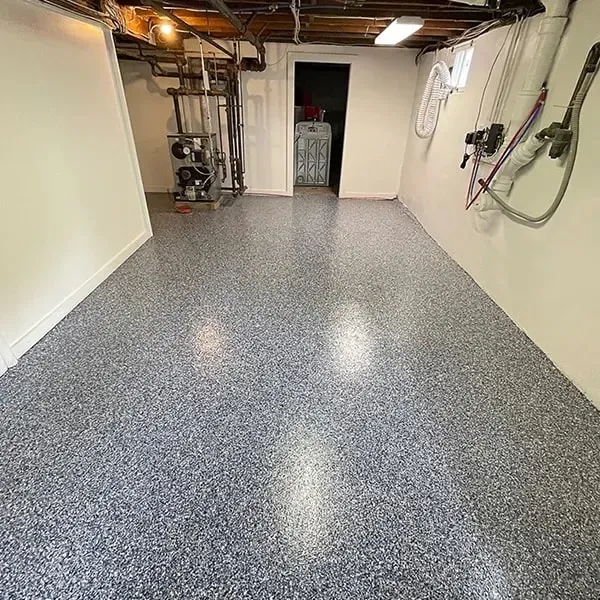
How to test concrete for moisture before coating it: plastic sheet, calcium chloride (ASTM F1869) and in-slab RH (ASTM F2170), typical limits, and fixes.
ICRI's concrete surface profile (CSP) scale: CSP 1–10, the profile thin and thick coatings need, and what grinding, shotblasting and acid etching produce.
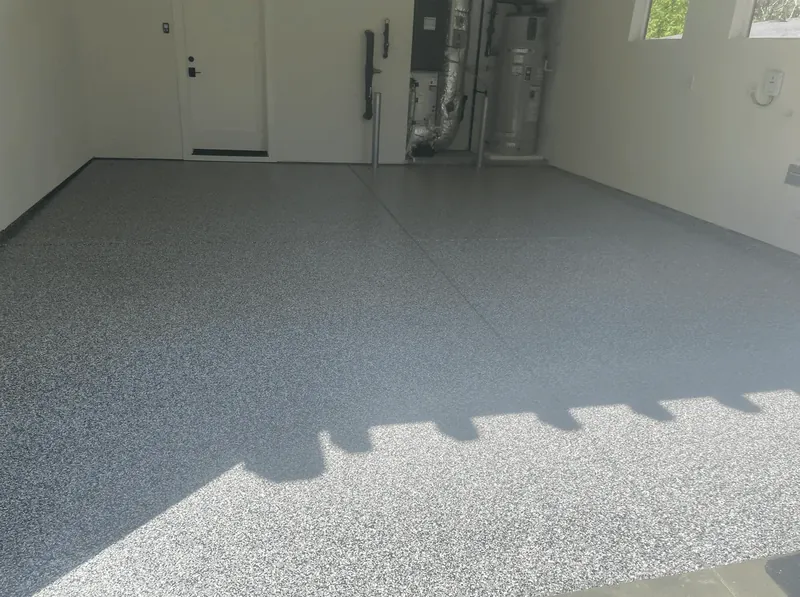
Epoxy and polyaspartic cure times from real data sheets: pot life, recoat windows, foot and vehicle traffic, the 5°F dew point rule, and cold-weather planning.
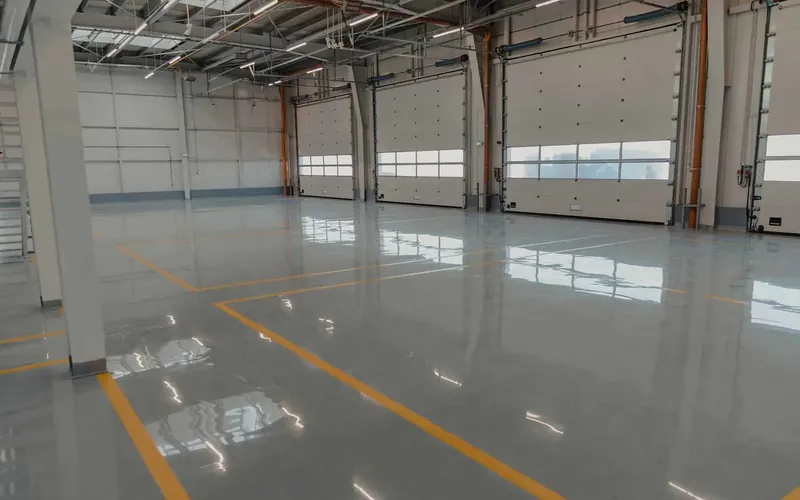
Epoxy flooring safety for installers: hardener burns and skin allergy, isocyanates, solvents, silica dust and slips, the PPE to wear, and the OSHA rules.
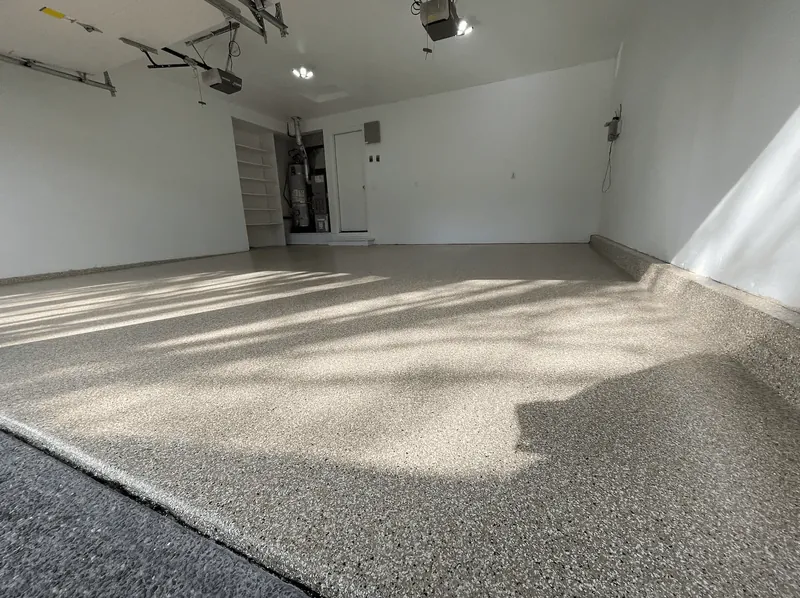
Install a full-broadcast flake epoxy floor step by step: moisture test, grind to CSP 3, repairs, primer, base coat, flake at 5–7 sq ft per lb, topcoat and cure.
How metallic epoxy floors are installed: prep, primer, base color, a 30–48-mil metallic coat, manipulation, topcoat, what goes wrong, and what drives the price.
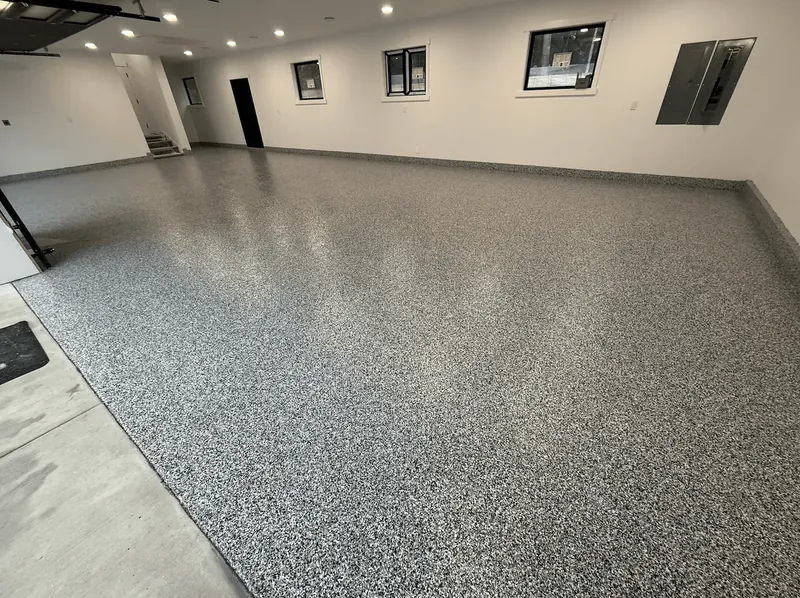
Polyaspartic vs epoxy compared from data sheets: chemistry, working time, cure speed, UV stability, temperature, odor and cost, and the systems that use both.
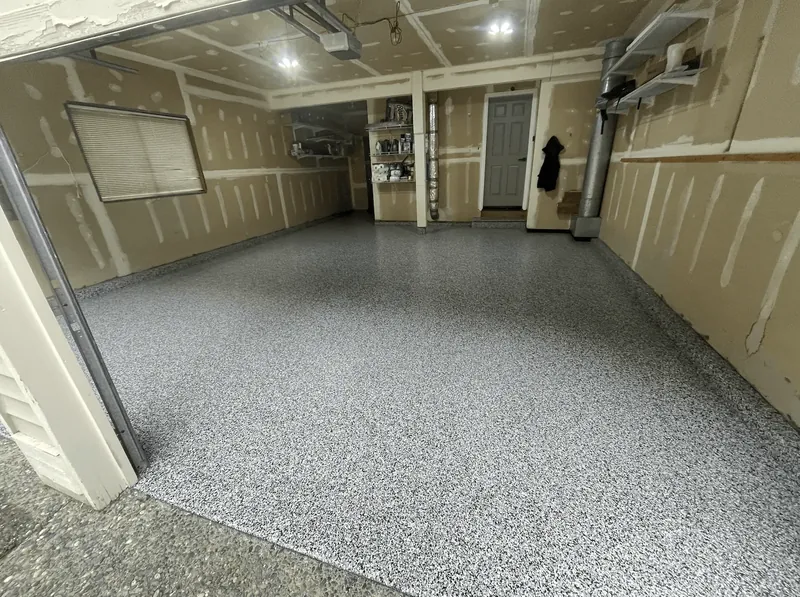
Why epoxy floors fail and how to prevent it: delamination, hot tire pickup, amine blush, bubbles, fisheyes, yellowing, uneven flake, edge peeling and cracks.
System: Protect
Warranty terms, callbacks, hiring installers, crew pay and the systems that keep jobs on track.
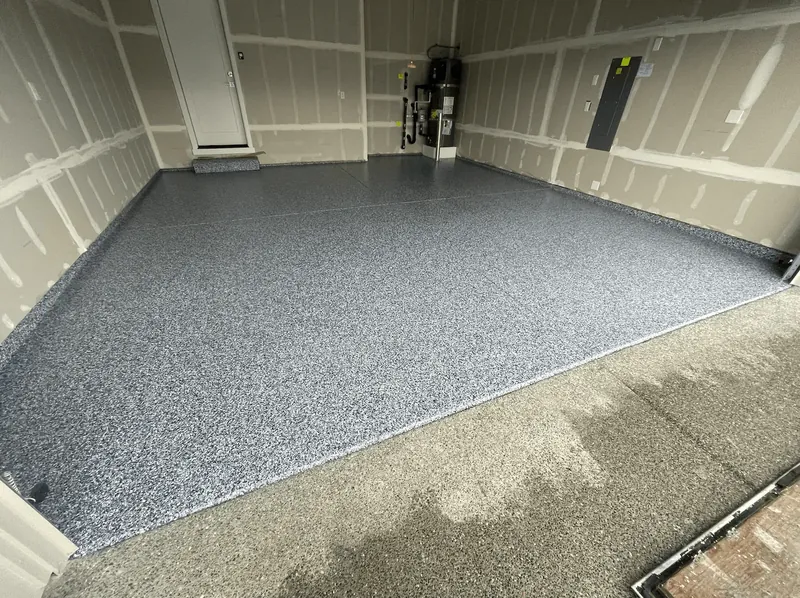
How to become an epoxy floor installer: what the work involves, getting hired as a helper, safety and training, what floor layers earn, and moving up to crew lead.
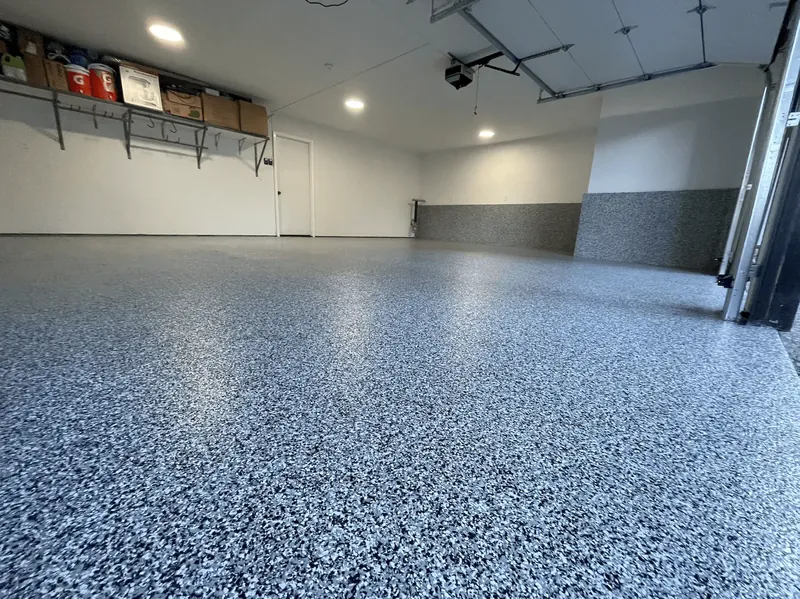
How epoxy and polyaspartic floor warranties work: product vs workmanship cover, what 'lifetime' means, common exclusions, a real program, and claims.
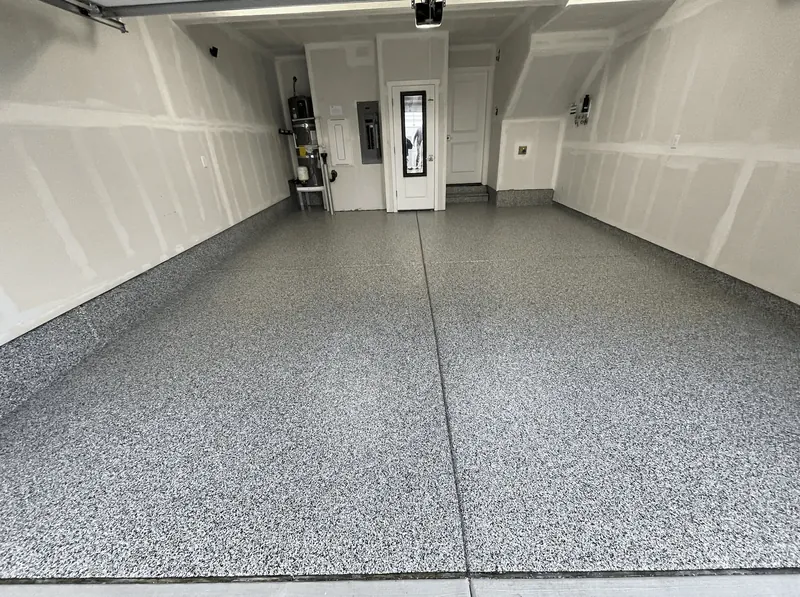
When to hire for an epoxy flooring business, helper vs installer pay, employee vs contractor tests, workers' comp, respirator rules and overtime on piece rates.
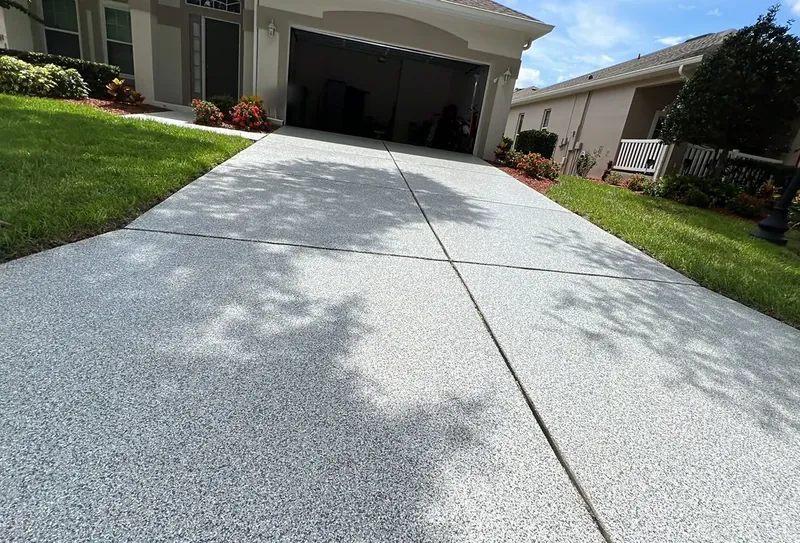
How seasons hit an epoxy flooring business: temperature, humidity and dew point limits, what to sell in slow months, spring marketing and cash planning.
System: Grow
Where coating jobs come from, what leads cost, Google Business Profile and a 90-day marketing plan.
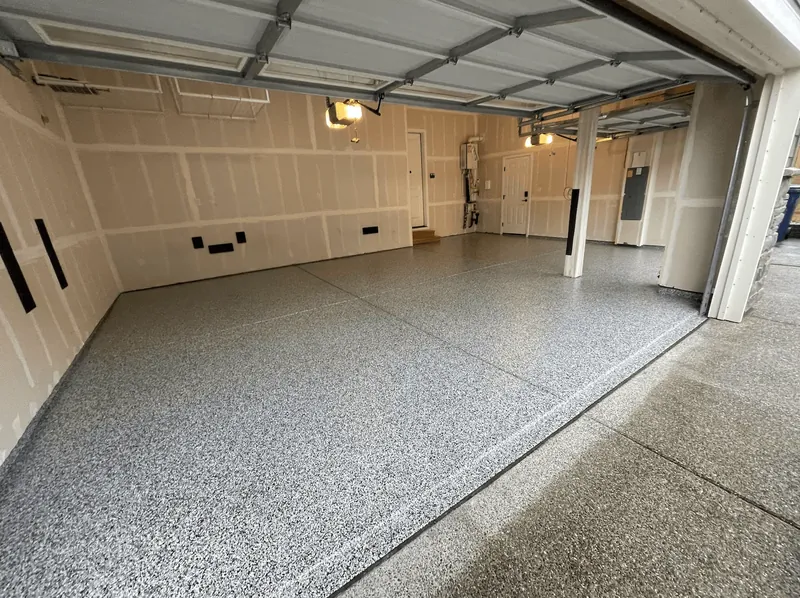
What epoxy flooring leads cost, how Local Services Ads, Angi, Thumbtack and Meta charge, shared vs exclusive leads, speed to lead, and cost per booked job.
Where epoxy flooring leads come from, from Google Business Profile and reviews to Local Services Ads, Meta and Angi, with lead costs and a 90-day plan.
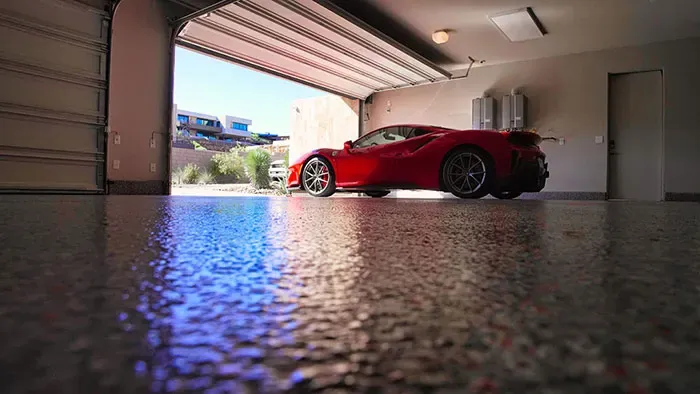
How epoxy flooring contractors run Facebook and Instagram ads: lead forms vs landing pages, before-and-after creative, audiences, lead quality and cost per job.
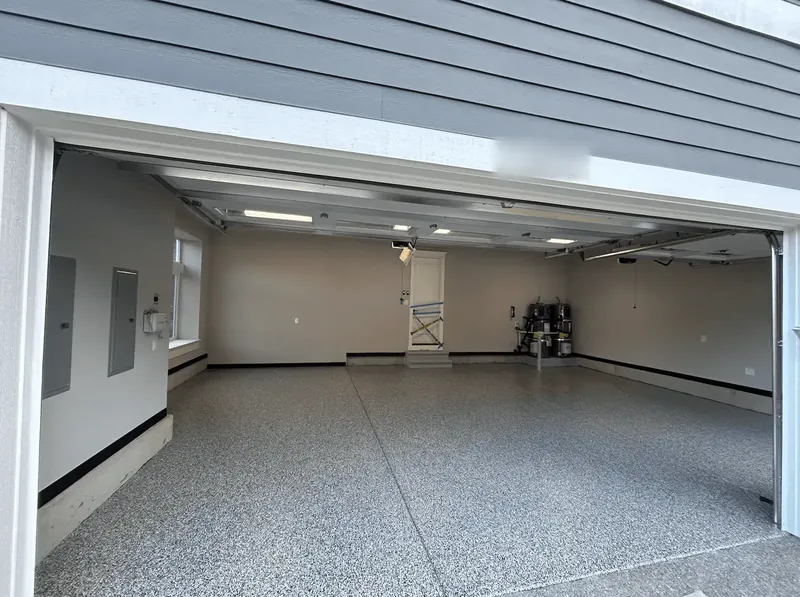
How epoxy flooring contractors use Google Ads: search vs Local Services Ads, keywords and negatives, budgets as a method, landing pages and call tracking.
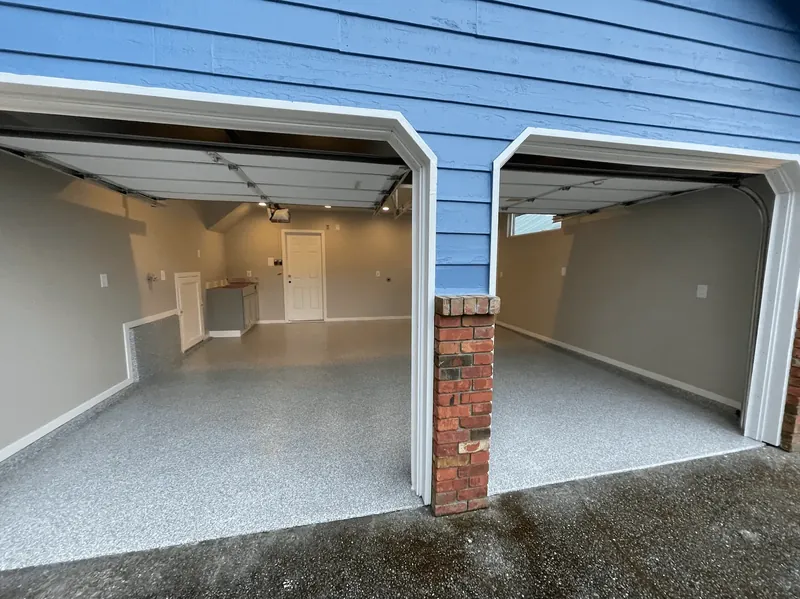
Set up a Google Business Profile for an epoxy flooring company: service area, name rules, categories, services, verification, photos, reviews and suspensions.
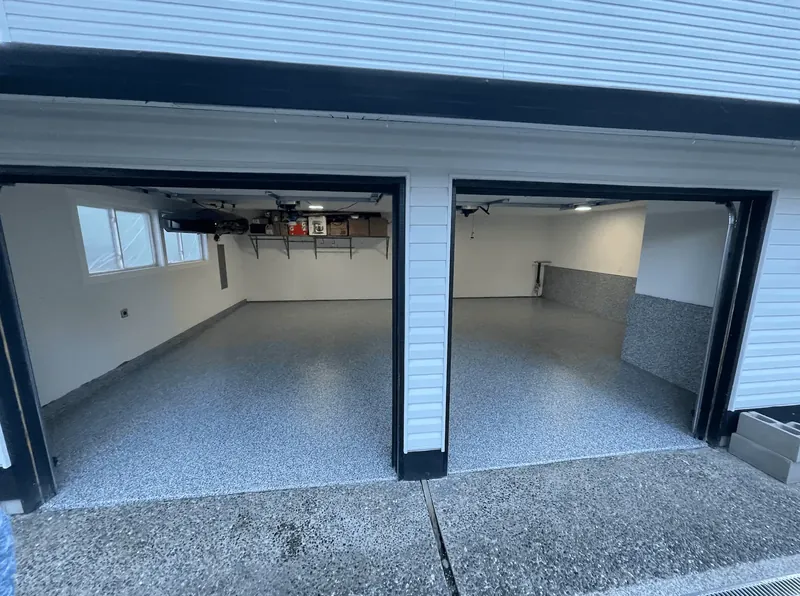
The pages, photos, estimate form, reviews, FAQ, speed and tracking a coating contractor's website needs, with a launch checklist and costly mistakes.
Reference
Startup cost, job pricing, flake, coverage, rent vs buy and lead cost.
Estimate, scope of work, warranty terms and a job-day checklist.
Plain definitions of the coating terms used across the library.
Search demand, prices, equipment and lead costs in one place.
The Epoxy Playbook: full installations recorded start to finish, which you can replay as often as you need, plus pricing, quoting and selling the job.