Hands-on classes are opening state by state. Get a text when yours opens →

Compare training

Epoxy and floor coating dealer programs, compared

A dealer program ties your business to a coating manufacturer: you install its products, and it trains you, backs the product and often helps with marketing. Most charge no franchise fee or royalty, but they expect you to use their products. Here's what six programs offer and what they ask of you.

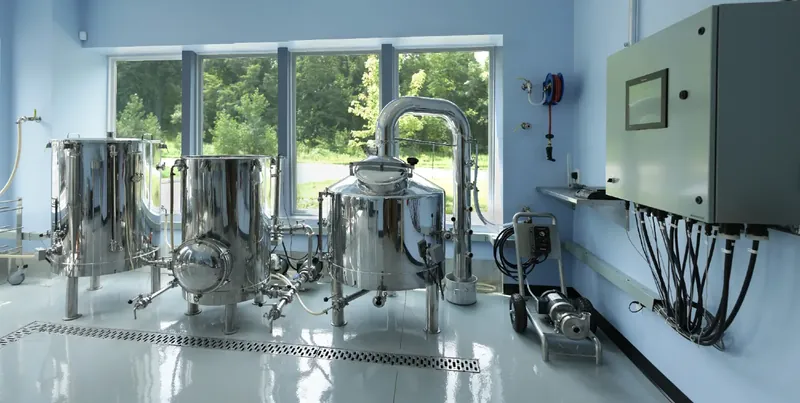
Light gray high-gloss floor with a long trench drain beneath stainless steel processing tanks
High-gloss coating with a trench drain, processing room More floors

How dealer programs work

A manufacturer that sells floor coatings needs installers who know its products and buy them every week. A dealer program is how it finds and keeps them. You become a dealer, or an approved or certified installer, of that brand.

What dealers usually get: training on the manufacturer's systems, technical support when a job goes wrong, dealer pricing on product, a manufacturer's warranty to offer customers, marketing material, and sometimes leads or a protected area.

What dealers usually commit to: an application and a conversation before you're accepted, buying and installing the brand's products, and sometimes a deposit, a startup package or a training fee. Five of the six programs below charge no royalty on your revenue; Floor Shield charges no franchise fees and doesn't mention royalties.

Not every manufacturer runs one. Some sell only through distributors, and some coating suppliers run classes without a dealer agreement, as our class comparison shows.

Six programs at a glance

  • Startup costs: $9,995–39,995 for CTi's packages; $50,000–75,000 for Floor Shield's first year; $55,000–75,000 for GarageFloorCoating.com
  • Training: Penntek, CTi and Concrete Coatings, Inc. each run a two-day hands-on class
  • Territory: four offer one in some form; two don't mention one
  • Royalties: five charge none; Floor Shield doesn't mention them

The programs

Six dealer programs

Here to compare, not as endorsements. Terms change and some are only shared after you apply, so confirm everything in the dealer agreement. Each name links to the company's dealer page.

Penntek

Penntek Industrial Coatings, Lakeville, Minnesota

Products
Penntek coating systems for garages and other concrete, with a limited lifetime manufacturer’s warranty on eligible systems
Training
A two-day, hands-on certified installation class through Penntek Academy, in small groups, then ongoing technical, sales, marketing and order support
Cost
Varies with the equipment and team you already have; covered during Penntek’s discovery process
Territory
Not stated on the dealer page
Fees
No franchise fees or royalties
Marketing
National marketing and digital lead programs when available; dealers are expected to market locally

Floor Shield

Floor Shield Coatings

Products
Floor Shield coating systems: flake, quartz, solid color and clear coats, for residential, commercial and industrial floors
Training
Free sales, marketing and installation training at its Florida training center, in a classroom and on a job site
Cost
A non-refundable $10,000 initial deposit, which includes a $7,500 product credit, training, sales kits and marketing materials; $50,000–75,000 in year one
Territory
A protected territory
Fees
No franchise fees; royalties aren’t mentioned on its dealer page
Marketing
Marketing materials, brand guidelines and training in websites, SEO, social media, paid search and print advertising

GarageFloorCoating.com

GarageFloorCoating.com (GFC)

Products
Its own epoxy coating systems, bought through a dealer online store
Training
Its “Coatings College” plus on-site training, with dealer support representatives and ongoing coaching
Cost
$55,000–75,000 to invest, plus a training fee paid when you sign the dealer agreement
Territory
Dealers must be at least two hours’ drive from any existing dealer
Fees
No franchise fees or royalties
Marketing
Website and SEO help, a central lead management center, and advertising and sales support

Concrete Coatings, Inc.

Concrete Coatings, Inc., Layton, Utah

Products
Decorative concrete products: an acrylic overlay, acid and water-based stains, a micro-topping and an epoxy
Training
A two-day hands-on class at its Layton headquarters: $500 for up to two people, $200 for each extra person; $99 a person to train employees later
Cost
Startup packages of tools and materials; the startup investment goes into stocking inventory
Territory
None mentioned
Fees
No franchise fees, royalties or advertising fees
Marketing
Training includes how to market and sell the products

CTi

Concrete Technology Industries, Denham Springs, Louisiana

Products
CTi decorative coating systems for indoor and outdoor concrete
Training
ProStart, a two-day hands-on program; $295 on its own for contractors already in the industry
Cost
Packages of $9,995 (contractors from outside the industry), $19,995 (new business, standard) and $39,995 (new business, master), each with products, tools and training
Territory
An exclusive territory of 200,000 people in the $39,995 package
Fees
No franchise fees or royalties
Marketing
Marketing resources and continued education in the master package

FloorTek

FloorTek, Port St. Lucie, Florida

Products
Its own polyaspartic coatings and equipment, at manufacturer-direct pricing
Training
Hands-on training at its training center in sales, call handling, installation and operations
Cost
The startup includes a branded trailer, materials and equipment; its application asks whether you have $400,000 in liquid capital
Territory
Exclusive territories in key markets
Fees
No royalties or revenue sharing
Marketing
Marketing and sales systems as part of the program

We have no affiliation with any of these companies.

Side by side

Dealer vs franchise vs independent

Three ways to run a coating business, by what you pay, what you're tied to and what you own.

Independent, dealer program and franchise compared
IndependentDealer programFranchise
To start$8,595 in our startup cost calculator's default, renting the grinderFrom $9,995 (a CTi package) to $75,000 (the top of Floor Shield's and GarageFloorCoating.com's ranges); others share costs after you applyFranchise fees of $38,500–69,950; total investment of $132,900–246,400 across five coating franchises
Ongoing feesNoneFive of the six charge no royalty; you buy their productsRoyalties of 4–7% of revenue, plus 1–2% brand fund fees
ProductsAny supplier you chooseThe manufacturer's lineThe franchise's required products and suppliers
BrandYoursYours, alongside the manufacturer's product brandThe franchisor's
TrainingYou choose: US classes run about $99–1,899The manufacturer's, on its productsThe franchisor's, on its system
TerritoryWork wherever you wantFrom none to exclusive, by programSet in the franchise agreement
Disclosure before you signNothing to discloseNo FDD unless the program meets the legal definition of a franchiseAn FDD at least 14 days before you sign or pay
If you leaveNothing to unwindCheck inventory, warranty and exclusivity termsCheck renewal, transfer and after-term restrictions

The legal line

When is a dealership a franchise?

The name doesn't decide it. Under the FTC's Franchise Rule (16 CFR 436.1(h)), a franchise is any continuing relationship, whatever it's called, that gives you the right to use the seller's trademark, involves significant control or assistance from the seller, and requires a payment to the seller as a condition of starting.

The rule's definition of a required payment (16 CFR 436.1(s)) leaves out buying reasonable amounts of inventory at bona fide wholesale prices for resale. That's one reason a program that sells you product, rather than charging fees, may not be a franchise. Whether a particular program crosses the line is a legal question, and the rule has exemptions as well.

If a program asks you to pay a deposit, a package price or a training fee, ask how the program is structured, get the answer in writing, and have a lawyer who knows franchise law read the agreement. If it is a franchise, you're owed a Franchise Disclosure Document at least 14 days before you sign or pay.

Questions to ask before you sign

  • What must I buy to start, and every month or year after, to stay a dealer?
  • Can I install other brands' products on other jobs?
  • Is my territory in the agreement, with boundaries, and what do I have to do to keep it?
  • Who honors the warranty: the manufacturer, me, or both, and for what?
  • What does training cost in total, including travel, and how long is it?
  • Where do program leads come from, and how are they shared between dealers?
  • What happens to my unused inventory if I leave?
  • Which current dealers can I call?

Where we fit

Epoxy Business School isn't a dealer program

We don't make or sell coatings, so there's no product line attached to anything we teach. The Epoxy Playbook records full installations start to finish and teaches the business side; the hands-on class puts you on real slabs with a partner trainer; and you choose your supplier afterward. If a dealer program fits your plans, the business side still applies.

Every Epoxy Business School program

Questions

Dealer programs: frequently asked questions

What is the difference between a dealer program and a franchise?

A franchise licenses a brand and an operating system for fees, usually including a royalty on your revenue. A dealer program ties you to a manufacturer’s products: you buy and install them, and the manufacturer trains you and backs the product. Most coating dealer programs charge no franchise fee or royalty, but they expect you to use their products. Under the FTC’s rule, what a program is called doesn’t decide whether it’s legally a franchise.

How much does it cost to become an epoxy flooring dealer?

It varies widely. CTi’s packages run $9,995–39,995; Floor Shield asks for a non-refundable $10,000 initial deposit and $50,000–75,000 in the first year; GarageFloorCoating.com asks for $55,000–75,000 to invest; Concrete Coatings, Inc. charges $500 for its two-day class for up to two people. Penntek and FloorTek discuss costs during their application process. The full comparison.

Do epoxy dealers get an exclusive territory?

Some do. Floor Shield advertises protected territories, CTi includes an exclusive territory of 200,000 people in its top package, FloorTek offers exclusive territories in some markets, and GarageFloorCoating.com places dealers at least two hours’ drive apart. Get the boundaries, and anything you must buy or sell to keep them, in writing.

Do dealer programs include training?

Yes. Penntek, CTi and Concrete Coatings, Inc. each run a two-day hands-on class; Floor Shield describes its sales, marketing and installation training as free; GarageFloorCoating.com adds on-site training to its “Coatings College”. Training is on the manufacturer’s own products.

When do I get a franchise disclosure document?

The FTC’s Franchise Rule requires that you receive it at least 14 days before you sign a contract or pay any money. Items 5 through 7 set out the initial fee, the other fees and the total initial investment; Item 19, if the franchisor includes one, makes claims about sales or earnings; Item 20 lists current and former franchisees you can call.

Weighing a dealer program?

Talk it through on a planning call with someone who runs a coating company: your market, your budget and the options in front of you.

Book a call